
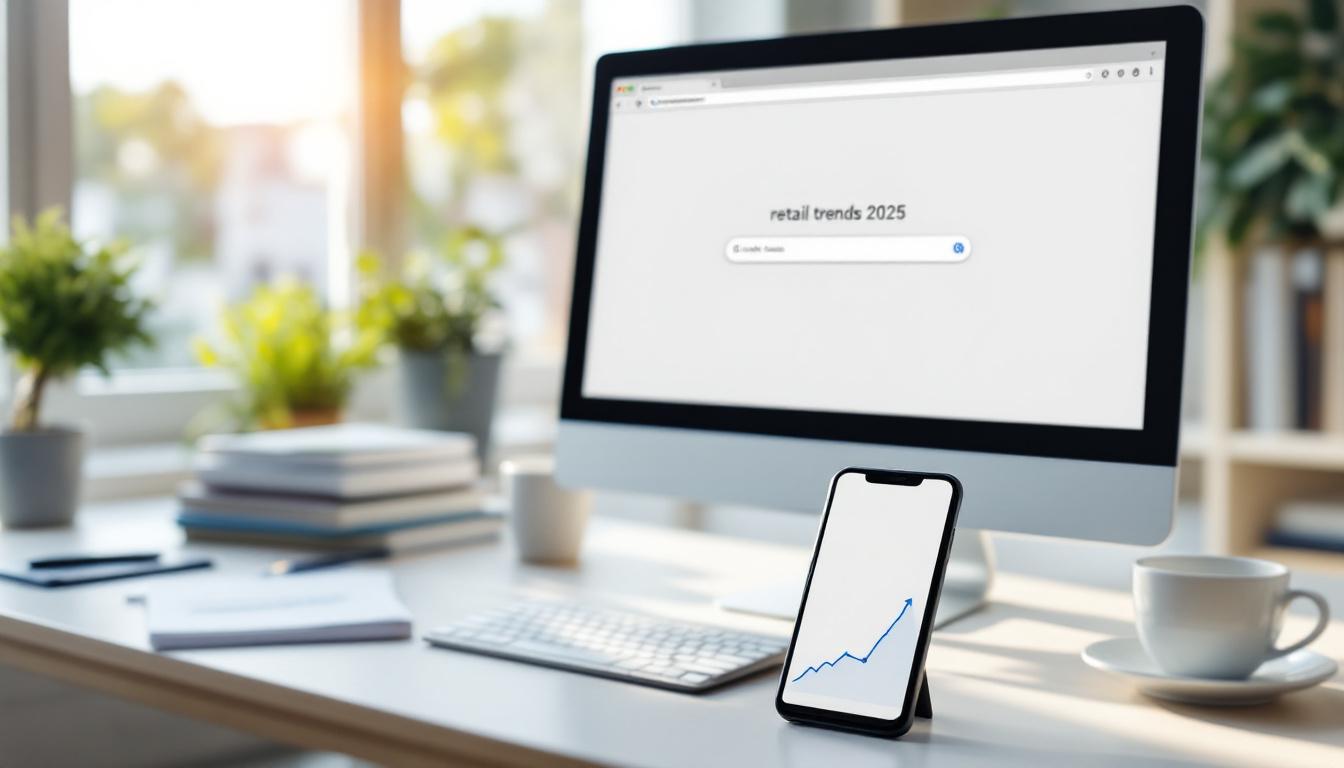
How to Use Google Trends for Retail Research in 2026
Updated September 2026. Google Trends shows relative search interest, not exact demand or sales. Used correctly, it can reveal seasonality, geographic differences and emerging questions before a retailer commits inventory or advertising money.
A practical workflow
- Enter the product category and select the correct topic or search term.
- Set the country, time range, category and search type.
- Compare no more than a few genuinely equivalent terms.
- Review interest over time for seasonality and sustained growth.
- Inspect regions, related topics and rising queries.
- Validate with Search Console, keyword tools, marketplace data and actual sales.
Understand the index
A value of 100 represents peak relative interest for the selected query, place and time. It does not mean 100 searches. Low-volume terms may show incomplete data. Changing the filters can change the pattern dramatically.
Retail applications
- Plan seasonal inventory and content
- Compare regional product language
- Identify rising product problems or use cases
- Schedule promotions before peak interest
- Distinguish a site-specific traffic decline from a broader market trend
Common mistakes
Do not treat a short spike as durable demand, compare unrelated terms, or use Trends alone for revenue forecasts. News can create curiosity without purchase intent.
Bottom line
Google Trends is a direction and timing tool. Combine it with conversion, margin, competition and inventory data before making a retail decision.
Related EverydayNext guides
Turn trend research into action with our guides to technology startups, 2026 technology trends, and practical AI use.
Sources
Related Posts



Previous Post
Next Post









Pingback: 7 Actionable SEO Tips for Bloggers in 2026
Pingback: Spring 2026 Fashion Trends: Colors and Styles to Watch