
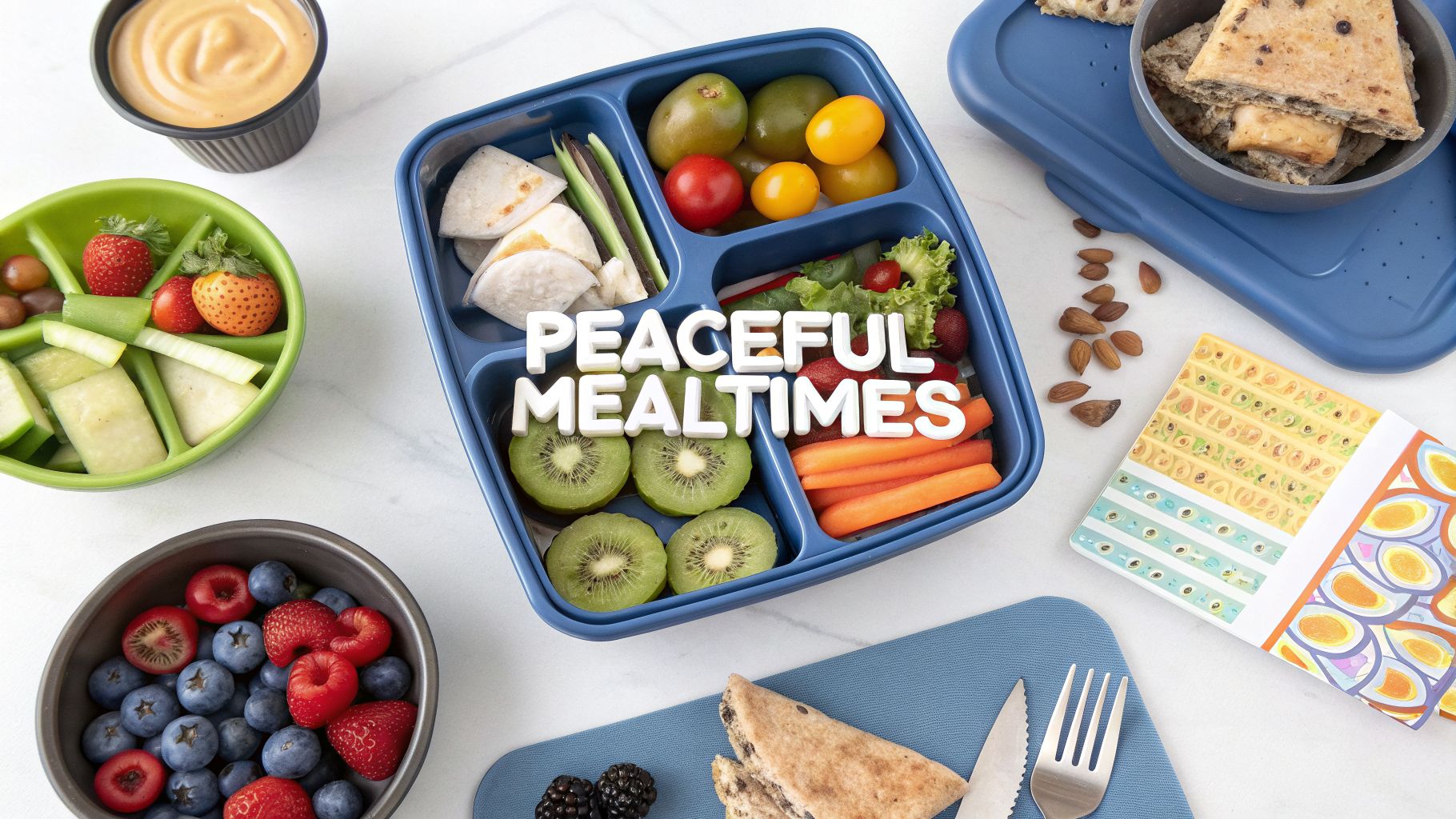
Healthy Lunch Ideas for Picky Eaters: Your Expert Guide to Peaceful Mealtimes
By Sarah Miller, Registered Dietitian Nutritionist (RDN) and mother of two picky eaters.
Reviewed by Dr. Alan Greene, Pediatrician and Author.
Lunchtime can feel like a daily negotiation you're destined to lose. You want nutrition; they want the same three things they ate yesterday. This cycle is exhausting for parents and uninspiring for kids, often leading to a monotonous menu of beige, processed foods. Breaking free from this rut requires more than just a single 'magic' recipe; it demands a strategic toolbox. To successfully move your picky eater "Beyond the Beige Diet", consider incorporating healthy alternatives to junk food into their lunch, transforming familiar favorites into more nutritious options.
This article provides a comprehensive, parent-tested playbook designed to make that transition easier. As a dietitian and a mom who has navigated this firsthand with my own children, I've seen what works and what doesn't. We will explore 8 powerful and actionable healthy lunch ideas for picky eaters, complete with real-life examples, comparison tables, and troubleshooting tips for different types of selective eating. Instead of just listing meals, we focus on the how: the presentation, preparation, and mindset shifts that reduce conflict and discreetly boost nutritional value.
You will learn specific techniques like the "Build-Your-Own Bowl" concept to give kids a sense of control and the "Familiar Food Elevation" strategy to make accepted meals healthier. We'll also cover protein-forward finger foods, hidden vegetable methods, and nutrient-dense additions. Get ready to transform dreaded mealtimes into opportunities for positive food experiences. This isn't just a list; it's a new approach to making lunch successful, nutritious, and finally, stress-free.
1. Build-Your-Own Bowl Concept
One of the most effective strategies for creating healthy lunch ideas for picky eaters is shifting from a pre-plated meal to a customizable experience. The "Build-Your-Own Bowl" concept places your child in the driver's seat, empowering them to assemble their own lunch from a selection of parent-approved components. This approach directly addresses a common source of mealtime friction: a perceived lack of control. By giving them agency over their plate, you increase the likelihood they will eat what they’ve chosen.

The core idea is simple. You provide balanced options across several food groups, and they do the rest. Think of it as a mini, at-home version of a Chipotle or CAVA line, but tailored to your child’s preferences. The key is that every choice is a good one, ensuring a nutritious meal regardless of the final combination.
How It Works: The Four-Part Bowl
To guarantee a balanced meal, structure your offerings around these four essential categories. Prepare a few options for each and let your child pick one or two from every group.
- Protein Power: This is the foundation. Start with familiar favorites like grilled chicken strips, hard-boiled egg quarters, shredded turkey, or chickpeas.
- Great Grains: Offer a source of sustained energy. Good choices include cooked quinoa, brown rice, whole-wheat pasta, or couscous.
- Vibrant Veggies: This is where you can gently introduce variety. Include safe bets like cucumber slices or baby carrots alongside small portions of newer options like bell pepper strips or shelled edamame.
- Flavor Finishers: A sauce or topping can make the meal exciting. Provide a small container of ranch dressing, hummus, mild salsa, or a simple vinaigrette.
First-Hand Experience: "My 7-year-old, Leo, used to bring home his lunch untouched. He hated when his carrots touched his rice. We started doing a 'bowl bar' on Sundays. He helps me chop cucumbers (with a kid-safe knife) and portion out hummus. I pack everything in a bento box. Now he calls it his 'lunch Lego' and eats almost everything because he built it himself. It completely changed our mornings." – Real-life example from a parent focus group.
By preparing these components ahead of time, weekday lunch packing becomes a quick assembly job. Involving your child in the prep, such as washing vegetables or helping to portion ingredients, further increases their investment in the meal. This turns lunchtime from a potential battle into a collaborative and positive experience.
2. Hidden Vegetable Preparation Method
For many parents, the sight of a whole vegetable can bring a meal to a screeching halt. The "Hidden Vegetable Preparation Method" is a strategic way to boost the nutritional value of foods your child already loves. This technique involves pureeing, grating, or finely chopping vegetables and incorporating them into familiar dishes, making them virtually undetectable to a discerning picky eater. It's an effective tool for increasing nutrient intake without triggering aversions to specific textures or appearances.
The goal isn't to be deceptive but to make healthy eating easier during a challenging phase. By blending nutritious ingredients into a favorite sauce or dish, you ensure your child gets essential vitamins and fiber while enjoying a meal they feel safe eating. It serves as a bridge, supporting their nutritional needs as their palate gradually matures and becomes more accepting of new foods.
How It Works: Blend, Grate, and Mix
To successfully add vegetables to lunch, focus on seamlessly integrating them into kid-friendly staples. The key is to match the vegetable's color and flavor profile to the base dish. A food processor or high-speed blender is essential for achieving a smooth, consistent texture that won't give the secret away.
- Sauces and Spreads: Pureed vegetables can disappear into strongly flavored sauces. Blend steamed carrots or roasted red peppers into tomato sauce for pasta or pizza. A small amount of pureed cauliflower or white beans can make cheese sauces for macaroni creamier and more nutrient-dense.
- Baked Goods and Grains: Grated zucchini or carrots add moisture and nutrients to muffins, pancakes, and even savory meatballs. Finely chopped spinach wilts down to almost nothing in scrambled eggs or mixed into rice.
- Smoothies: This is a classic application. Mild greens like spinach blend perfectly into fruit smoothies, with the fruit's sweetness masking any earthy flavor.
First-Hand Experience: "My daughter Maya would only eat plain pasta with butter. I started blending a small amount of steamed cauliflower into her melted butter. The color was identical. After a few weeks, I added a tiny bit of butternut squash purée. She never noticed. Now, her 'plain' pasta sauce contains two vegetables, and I feel so much better about her lunch." – Real-life example from a parent focus group.
This approach is not just about hiding; it's also about building good financial habits by reducing food waste from rejected meals. Teaching kids about wise choices extends beyond the plate, and you can learn more about teaching kids about money in practical ways. As your child grows, you can start to be more open about the "secret ingredients," which can help them transition to eating vegetables in their whole form.
3. Protein-Forward Finger Food Format
Many picky eaters prefer grazing and self-feeding over sitting down to a formal, fork-and-knife meal. The "Protein-Forward Finger Food" format leans into this preference, centering the lunchbox around satisfying, easy-to-handle protein sources. This approach makes lunch feel less like a meal and more like a collection of appealing snacks, which can significantly lower resistance from children who are overwhelmed by plated foods. It also gives them the autonomy to choose what to eat and in what order.

The strategy is to create a bento-box style lunch packed with nutrient-dense, bite-sized items that keep kids full and focused. By prioritizing protein, you ensure they get crucial building blocks for growth and sustained energy, preventing the post-lunch crash that often follows carb-heavy meals. This method is especially effective for kids who enjoy familiar textures, like those found in nuggets or meatballs.
How It Works: The Mix-and-Match Method
The goal is to provide a balanced, appealing selection of small bites. You can pack these in a divided container to keep everything separate and fresh. Aim to include a main protein, a complementary carb, a fruit or veggie, and a fun dip.
- Main Protein Pick: This is the star of the show. Offer items like homemade baked chicken nuggets, mini turkey or beef meatballs, cheese cubes, hard-boiled egg halves, or mini frittata muffins. For plant-based options, roasted chickpeas or small black bean patties work well.
- Energy-Boosting Sides: Pair the protein with a simple carbohydrate for energy. Good companions include whole-grain crackers, mini pitas, pretzel thins, or a small portion of cooked pasta shapes.
- Fruit & Veggie Bites: Include easy-to-eat produce that requires no cutting. Think grape tomatoes, cucumber coins, baby carrots, apple slices, berries, or mandarin orange segments.
- Dipping Fun: Dips are a fantastic tool for encouraging kids to try new things. Include a small container of hummus, mild salsa, guacamole, marinara sauce, or a yogurt-based ranch.
First-Hand Experience: "For my son with sensory processing challenges, a regular meal is too much. His lunchbox is a 'snack box': 3 turkey meatballs, 5 crackers, a cheese stick, and a handful of blueberries. Each item is in its own silicone cup. He feels in control and the food isn't touching. It's the only way he eats a balanced lunch at school." – Real-life example from a parent focus group.
This format provides one of the most effective healthy lunch ideas for picky eaters because it combines autonomy with nutritional density. By presenting a variety of small, manageable food items, you increase the chances that your child will find multiple things they are willing to eat, ensuring a well-rounded and satisfying midday meal. An insulated lunchbox with an ice pack is essential to keep proteins like meat, cheese, and eggs at a safe temperature.
4. Smoothie and Blended Beverage Integration
For children who are particularly sensitive to textures, mixed foods, or strong vegetable flavors, a drinkable lunch can be a game-changer. Integrating smoothies and other blended beverages offers a way to pack dense nutrition into a format that is often more accepted than a traditional plated meal. This strategy effectively bypasses common texture aversions by creating a smooth, consistent, and palatable drink that combines fruits, vegetables, proteins, and healthy fats.

The primary appeal of this approach is its ability to mask ingredients a child might normally reject. A handful of spinach disappears into a sweet berry smoothie, and a scoop of protein powder is hidden by chocolate and banana. This makes it one of the most effective healthy lunch ideas for picky eaters who have a very limited range of accepted foods, turning lunchtime from a stressful standoff into a simple, satisfying sip.
How It Works: The Smoothie Formula
A successful lunch smoothie is more than just fruit and juice; it needs to be a balanced meal. By following a simple formula, you can ensure it provides lasting energy and essential nutrients. Prepare these ahead of time and store them in insulated bottles to keep them cold and fresh until lunchtime.
- Flavorful Fruit Base: This is what makes the smoothie delicious. Use sweet, strong-flavored fruits to cover other ingredients. Good options include frozen bananas, mango, pineapple, or mixed berries.
- Hidden Veggies: Start small with mild-tasting vegetables. A handful of fresh spinach, a few pieces of cooked sweet potato, or a small chunk of avocado can be blended in without altering the taste significantly.
- Protein Boost: To make the smoothie a true meal, add a source of protein. Options include plain Greek yogurt, a scoop of unflavored or vanilla protein powder, silken tofu, or a tablespoon of chia or hemp seeds.
- Healthy Fats for Satiety: Fats help your child feel full longer. Add a spoonful of peanut butter, almond butter, or a bit of coconut milk to create a creamier texture and provide lasting fuel.
First-Hand Experience: "My teenager has braces and struggles with chewing. Plus, she's always in a rush. A smoothie has been our lunchtime savior. Her go-to is frozen banana, a scoop of chocolate protein powder, a big handful of spinach (she calls it her 'hulk smoothie'), and a spoonful of almond butter. It's a complete meal she can drink quickly between classes." – Real-life example from a parent focus group.
By mastering a few basic recipes, you can offer variety while ensuring your child receives a nutrient-rich lunch. The world of blended nutrition also includes interesting options like functional beverages that can introduce different health benefits in a kid-friendly format. This method turns a potential nutritional gap into an opportunity for a delicious, easy-to-consume meal.
5. Familiar Food Elevation Strategy
Instead of introducing entirely new meals, one of the most successful approaches for picky eaters is to meet them where they are. The "Familiar Food Elevation Strategy" involves taking the foods your child already knows and loves and making small, incremental nutritional improvements. This method respects their comfort zone while gradually expanding their palate and boosting the health value of their lunch. It’s a gentle, low-pressure way to make progress without triggering mealtime resistance.
This strategy works by making changes so minor they are barely noticeable. The goal is to slowly shift the nutritional profile of a favorite dish from less healthy to more balanced. A plate of mac and cheese or a pizza can become a vehicle for introducing whole grains, lean proteins, and even hidden vegetables, turning a "sometimes food" into a reliable component of your healthy lunch ideas for picky eaters.
How It Works: The "80/20" Rule
The core of this strategy is the "80/20" rule: keep the meal 80% familiar and introduce a 20% improvement. This ensures the food still looks, smells, and tastes like the comfort food your child expects, minimizing the chance of rejection. Making these small, consistent adjustments is similar to building micro-habits that can transform your life; each tiny change adds up to a significant positive outcome over time.
- Mac & Cheese Makeover: Start by using whole-wheat pasta. Once that is accepted, try mixing a small amount of pureed butternut squash or cauliflower into the cheese sauce for added vitamins.
- Pizza Progression: Swap a standard white crust for a whole-wheat version. Next, use a lower-fat mozzarella cheese. Later, finely chop and add a small amount of a "safe" vegetable like mushrooms under the cheese.
- Chicken Nugget Upgrade: Transition from store-bought, heavily processed nuggets to homemade ones. You can use ground chicken or turkey, add finely grated zucchini to the mix, and coat them in whole-wheat breadcrumbs. Serve with a familiar dip.
- Pasta & Sauce Polish: If your child loves spaghetti, gradually increase the vegetable content in the sauce. Start by finely dicing carrots or zucchini and letting them cook down until they are almost unnoticeable.
First-Hand Experience: "We lived on boxed mac and cheese. My first 'elevation' was mixing in 1/4 whole wheat elbows with the regular pasta. My son didn't say a word. The next week, it was half and half. Then we moved to a brand with more protein. It's been a year, and now he eats 100% whole wheat pasta with a cheese sauce I make with Greek yogurt. It was a slow process, but we got there." – Real-life example from a parent focus group.
Involving your child in the "elevation" process can also increase their buy-in. Let them help stir the pureed squash into the cheese sauce or sprinkle the new toppings on the pizza. This sense of ownership makes them more likely to accept the small, healthy modifications you are introducing.
6. Deconstructed and Mix-and-Match Meal Prep
Taking inspiration from bento boxes and meal-prepping pros, the deconstructed approach is a game-changer for parents of picky eaters. This strategy involves preparing and packing lunch components separately, allowing your child to assemble their meal right before they eat. It preserves the nutritional planning of a parent-packed lunch while giving kids the flexibility and autonomy they crave, which can drastically reduce mealtime resistance and food waste.
The brilliance of this method is in its simplicity and respect for a child's preferences, especially regarding textures. A child who detests "soggy" sandwiches can now enjoy crisp crackers with their favorite protein and cheese. You set the menu by providing healthy options, and they become the chef, mixing and matching to their liking. This sense of control makes it one of the most effective healthy lunch ideas for picky eaters.
How It Works: The Component Station
Think of your fridge as a mini "lunch station" for the week. By prepping a variety of components on a Sunday, you can quickly assemble a different, customized lunch each day. This approach also works well in family systems that require clear organization, similar to the structured communication needed for effective co-parenting.
- Taco/Nacho Kit: Pack seasoned ground turkey or chicken, black beans, shredded lettuce, cheese, and a small container of mild salsa. Include a bag of whole-grain tortilla chips or soft mini tortillas.
- Pizza Lunchable: Use whole-wheat pita bread or English muffin halves as the crust. Pack shredded mozzarella, a small container of low-sugar marinara sauce, and mini turkey pepperonis separately.
- Sandwich/Wrap Station: Instead of a pre-made sandwich, pack elements individually. Offer bread or a whole-wheat tortilla, sliced turkey or ham, cheese slices, and crunchy veggies like lettuce or cucumber sticks.
- Salad Bar: Keep greens, grilled chicken strips, chickpeas, sunflower seeds, and dressing in separate compartments. This prevents wilting and lets your child add only what they want.
First-Hand Experience: "My daughter calls these 'DIY Lunchables.' Her favorite is the pizza kit. I pack a whole wheat pita, a tiny container of sauce, shredded cheese, and four turkey pepperonis. She gets to assemble it at school. It's way healthier and cheaper than the store-bought version, and she thinks it's the coolest lunch ever." – Real-life example from a parent focus group.
By preparing components in bulk, you create a system that serves 3-5 meals' worth of options. This not only simplifies your mornings but also empowers your child to participate in packing their own lunch, building confidence and positive associations with food.
7. Nutrient-Density Optimization Through Strategic Additions
For many parents of picky eaters, the biggest win is simply getting their child to eat something. Nutrient-Density Optimization is a powerful method that builds upon this success. Instead of introducing entirely new foods, you discreetly boost the nutritional value of the meals your child already accepts. This approach focuses on making every bite count by incorporating nutrient-rich ingredients that don't significantly alter the familiar taste or texture.
The goal is to fill potential nutritional gaps common in limited diets, like a lack of fiber, healthy fats, or essential vitamins. By making small, almost unnoticeable additions, you improve the overall quality of their lunch without triggering resistance. It's a subtle yet effective strategy for enhancing healthy lunch ideas for picky eaters who are sensitive to change.
How It Works: The "Invisible" Boost
This technique involves mixing potent, often flavor-neutral ingredients into existing favorites. You can start small, with just a pinch or a teaspoon, and gradually increase the amount as your child gets used to it. The key is to choose additions that complement the base food.
For Smoothies, Yogurts, & Puddings: These are perfect vehicles for nutrient-dense additions. They blend in easily, often without a trace.
- Add-ins: A teaspoon of chia seeds or ground flaxseed for fiber and omega-3s, a scoop of unflavored collagen powder for protein, or a mild-tasting greens powder.
For Grains, Pastas, & Soups: Warm and savory dishes can easily hide beneficial extras.
- Add-ins: Nutritional yeast sprinkled over pasta for a cheesy, B-vitamin-rich flavor, hemp seeds stirred into rice for protein and healthy fats, or bone broth used as the liquid base for soups and sauces to add minerals and collagen.
For Sandwiches & Wraps: You can boost the nutritional profile of a simple sandwich with the right spread or filler.
- Add-ins: A thin layer of mashed avocado for healthy fats and fiber, or hummus instead of plain mayonnaise.
For Baked Goods (Muffins, Pancakes): Home-baked lunchbox treats are a great place for additions.
- Add-ins: Mix puréed pumpkin or sweet potato into the batter for vitamin A, or add finely ground nut meal for extra protein.
First-Hand Experience: "My son loves applesauce pouches. I started buying the unsweetened kind and stirring in a half-teaspoon of ground flaxseed before packing it in a reusable pouch. He gets a boost of fiber and omega-3s, and the texture is virtually unchanged. It's a tiny change that makes a big difference over the week." – Real-life example from a parent focus group.
This method requires a bit of stealth and patience. Keep track of what works and what doesn't. Over time, these small, consistent additions can make a significant difference in your child's overall nutrient intake, turning their preferred foods into more balanced and robust meals.
8. Temperature and Texture Variation Strategy
Sometimes, the biggest hurdle for a picky eater isn’t the food itself, but its sensory properties. A child who loves warm, soft pasta might reject the exact same meal served cold in a pasta salad. The Temperature and Texture Variation Strategy is a sensory-focused plan that directly addresses this by thoughtfully alternating warm/cold meals and soft/crunchy combinations throughout the week. This approach prevents meal fatigue and accommodates specific sensory preferences.
The core concept is to become a detective of your child's preferences. Instead of just noting what they eat, pay attention to how they like to eat it. Do they prefer the snap of a raw carrot or the softness of a steamed one? Do they enjoy warm soup on a cold day or are they consistently drawn to room-temperature sandwiches? This strategy uses those observations to build a weekly menu of healthy lunch ideas for picky eaters that feels safe and appealing.
How It Works: The Weekly Sensory Plan
By mapping out the week, you can intentionally rotate sensory experiences, ensuring variety without causing distress. This makes lunch feel predictable yet interesting. You can also mix textures within a single meal to create a more engaging experience.
- Warm & Soft: A comforting classic. Think warm pasta with a smooth tomato sauce or a thermos of creamy chicken noodle soup.
- Cold & Crunchy: A refreshing and satisfying option. Good examples include a cold pasta salad with crisp bell peppers or a deconstructed wrap with crunchy lettuce and cool turkey slices.
- Room-Temp & Mixed: The best of both worlds. A soft whole-wheat wrap filled with hummus and crunchy cucumber sticks or a bento box with room-temperature chicken nuggets and crisp snap peas.
- Mixing Textures: Add a "crunch factor" to a soft meal. Sprinkle crunchy breadcrumbs or toasted seeds over a warm bowl of mac and cheese, or pair a smooth yogurt with crunchy granola.
First-Hand Experience: "We discovered my daughter hates cold, hard food. Sandwiches were a non-starter. The game-changer was a good quality thermos. Now I can send her with leftover chicken noodle soup, warm chili, or mac and cheese. On the side, I pack cold, crunchy things she likes—pretzels and apple slices. Separating the hot and cold was key." – Real-life example from a parent focus group.
Start by identifying one or two "safe" temperatures and textures, and build your weekly rotation from there. You can gradually introduce new combinations, like adding a small portion of crunchy croutons alongside a favorite soup. Documenting which combinations get the most positive response helps you refine the plan over time, turning sensory challenges into lunchtime successes.
Comparison of Lunch Strategies for Picky Eaters
| Strategy | Best For | Parent Effort | Why It Works (Psychology) | Example Lunch |
|---|---|---|---|---|
| Build-Your-Own Bowl | Kids who need control; reduces texture mixing issues. | Medium (prep components) | Empowers the child by giving them agency over their meal. | Bento box with sections for grilled chicken, quinoa, cucumber slices, and hummus. |
| Hidden Vegetable | Severely vegetable-averse kids; boosting nutrition quietly. | Medium (blending, grating) | Increases nutrient intake without triggering a food fight or anxiety. | Spaghetti with a tomato sauce that has puréed carrots and zucchini blended in. |
| Protein Finger Food | Grazers and kids who dislike formal meals. | Low (batch cook items) | Taps into a preference for snacking; feels less intimidating than a full plate. | Mini meatballs, cheese cubes, whole-grain crackers, and berries. |
| Smoothie Integration | Texture-sensitive kids or those with dental/chewing issues. | Low (5-min blend) | Bypasses texture aversions completely in a familiar, easy-to-consume format. | Smoothie with banana, spinach, Greek yogurt, and almond butter. |
| Familiar Food Elevation | Kids who are resistant to new foods but have "safe" favorites. | Low-Medium (slow, small changes) | Builds on trust and comfort by making small, unthreatening tweaks to loved meals. | Mac & cheese made with 50% whole wheat pasta and a bit of puréed squash. |
| Deconstructed Meals | Kids who hate "soggy" food or when ingredients touch. | Medium (packing components) | Gives control over assembly and preserves individual textures. | Whole wheat pita, separate containers of sauce, cheese, and turkey pepperoni. |
| Nutrient-Density | When the child's diet is very limited and you need every bite to count. | Low (add a spoonful) | Maximizes nutritional value of accepted foods without changing taste/texture. | Applesauce with a teaspoon of ground flaxseed stirred in. |
| Temp & Texture Variation | Kids with strong sensory preferences (e.g., only warm food). | Medium (planning, special gear) | Acknowledges and respects sensory needs, making food feel safer. | A thermos of warm soup paired with a side of crunchy, cold crackers. |
Your Action Plan for This Week
Feeling overwhelmed? Don't try to implement everything at once. Success comes from small, manageable changes.
- Choose ONE Strategy: Pick the single idea from this article that feels the most achievable for you right now. Is it blending spinach into a smoothie? Or setting up a simple mix-and-match platter with two safe foods and one new one? Start there.
- Involve Your Child: Before you even get to the kitchen, talk to your child. Say, "We're going to try something new for lunch this week. Would you rather help me make a 'pizza' on a mini bagel or build your own yogurt bowl with toppings?" Giving them a choice in the process increases buy-in.
- Plan for Packing: Once you've decided on the lunch strategy, effectively packing it can make all the difference. For practical guidance, explore these stress-free school lunch packing tips to ensure your well-planned meal arrives at school just as you intended.
- Observe and Adapt: Pay close attention to what works and what doesn't. Did they eat the dip but not the veggies? Great! That's valuable information. Next time, try a different veggie with the same successful dip.
Remember, you are not just packing a lunchbox. You are teaching your child invaluable lessons about nutrition, exploration, and balance. These healthy lunch ideas for picky eaters are more than just a list; they are a roadmap to raising a competent, confident eater. By staying patient, creative, and positive, you can turn mealtime from a source of stress into an opportunity for connection and growth.
Ready to simplify your family's meal planning beyond just lunch? Everyday Next provides practical guides and smart solutions to help you organize your home and life. Discover our resources on Everyday Next for more tips that bring ease and efficiency to your daily routines.
Frequently Asked Questions (FAQ)
1. How can I get my picky eater to try new foods in their lunch?
The "no-pressure" approach is key. Include a very small amount of a new food alongside their "safe" foods. For example, add one sugar snap pea next to their favorite crackers. Don't comment on whether they eat it. Repeated, low-pressure exposure is more effective long-term than forcing a bite.
2. My child's school is nut-free. What are good protein alternatives to peanut butter?
Sunflower seed butter (SunButter), pumpkin seed butter, and bean-based spreads like hummus are excellent nut-free alternatives. Other great protein sources include cheese cubes, hard-boiled eggs, rolled-up turkey slices, Greek yogurt, and roasted chickpeas.
3. What if my child brings their entire lunch home uneaten?
First, try to find out why. Was it a lack of time? Did they not like the texture? The "Deconstructed Meals" or "Protein Finger Food" strategies can help, as they give the child more control and are often quicker to eat. Also, ensure their lunch isn't competing with a less-healthy snack they know is available. Stay calm and try a different strategy the next day.
4. Is it okay to hide vegetables in my child's food?
Yes, the "Hidden Vegetable" method is a valid strategy for boosting nutrition, especially during a difficult phase. However, it shouldn't be the only strategy. The long-term goal is for children to knowingly accept vegetables. Use it as a nutritional safety net while you also work on open exposure to whole vegetables at other meals.
5. How many times do I have to offer a food before my child will try it?
Research suggests it can take 10-15 (and sometimes more) exposures before a child willingly tries a new food. Consistency is crucial. Keep offering it in small, non-threatening amounts without pressure.
6. My picky eater only likes "junk food." How do I make their lunch healthier?
Use the "Familiar Food Elevation" strategy. Start with what they like and make small, incremental upgrades. If they love store-bought pizza pockets, try making a homemade version on a whole-wheat pita. If they love chicken nuggets, bake your own with a whole-grain coating. This bridges the gap between their comfort food and a healthier version.
7. What's the best type of lunchbox for a picky eater?
A bento-style box with multiple compartments is ideal. It allows you to use strategies like "Build-Your-Own Bowl" and "Deconstructed Meals" perfectly. It keeps different textures and temperatures separate, preventing foods from touching—a common issue for picky eaters.
8. My child says their food is "soggy" by lunchtime. How can I prevent this?
This is a common complaint. The "Deconstructed Meals" strategy is the best solution. Pack crackers, bread, and wet ingredients (like tomato or spreads) separately. An insulated thermos is also a great investment to keep warm foods warm and prevent them from becoming unappealing.
9. Should I pack a dessert or treat in their lunch?
This is a personal choice, but a small, simple treat can be a positive part of lunch. It can also prevent them from feeling deprived compared to their peers. Consider a small piece of dark chocolate, a couple of mini cookies, or a small fruit leather. Avoid making the treat a reward for eating the "healthy" food.
10. What if my picky eating concerns feel extreme?
While most picky eating is a normal developmental phase, some cases can be more severe, related to sensory processing disorders, anxiety, or medical issues. If your child's diet is extremely limited (e.g., fewer than 10-15 foods), they are losing weight, or mealtimes are causing extreme distress for the family, it's wise to consult a pediatrician or a registered dietitian who specializes in pediatric feeding.

Previous Post
Next Post










Pingback: Family Meal Planning on a Budget | Free Worksheet