
8 Unmistakable Characteristics of a Good Mentor
Finding the right mentor can fundamentally alter the trajectory of your career, business, or personal development. More than just a source of advice, a truly effective mentor acts as a strategic partner, an advocate, and a catalyst for growth. They provide the critical combination of perspective, expertise, and support that empowers you to navigate challenges, seize opportunities, and unlock your full potential. Without this guidance, professionals often face a steeper learning curve, making avoidable mistakes and missing out on key connections that could accelerate their progress. The relationship is a powerful tool for anyone serious about achieving ambitious goals, whether they are an entrepreneur, a student, a creative, or a professional climbing the corporate ladder.
This article moves beyond generic definitions to provide a comprehensive, actionable framework for identifying and engaging with exceptional mentors. We will dissect the core characteristics of a good mentor, breaking down each trait into practical, observable behaviors. You won't just learn what to look for; you will learn how to spot these qualities in action. We'll explore everything from active listening and domain expertise to integrity and the ability to provide constructive, growth-oriented feedback. For each characteristic, you’ll find concrete examples, red flags to watch out for, and specific tips for both mentors and mentees. Our goal is to equip you with the clarity and confidence needed to find a guide who can genuinely help you build the future you envision.
1. Active Listening and Emotional Intelligence
Of all the characteristics of a good mentor, the ability to listen with intent and understand with empathy stands as the cornerstone of a successful relationship. Active listening isn't just about hearing words; it’s about fully concentrating on the mentee, understanding their message, and absorbing their perspective without judgment. When paired with emotional intelligence (EQ), the ability to recognize and manage your own emotions and understand those of others, it creates an environment of psychological safety. This foundation is critical for a mentee to feel secure enough to discuss career setbacks, business model pivots, or personal development hurdles.

Why This Trait Is a Game-Changer
A mentor who jumps to solutions without fully listening risks solving the wrong problem. For instance, a venture capitalist who immediately offers tactical advice on fundraising might miss that the founder’s real issue is a deep-seated fear of failure, which is sabotaging their pitch. Similarly, an executive coach like Marshall Goldsmith uses active listening not to provide answers, but to help leaders uncover their own blind spots. By listening intently, a mentor validates the mentee's experiences, building the trust necessary for them to be receptive to guidance when it's finally offered. This approach transforms the dynamic from a simple lecture to a collaborative partnership.
| Good Mentor (Active Listener) | Poor Mentor (Passive Listener) |
|---|---|
| Listens to understand the core problem. | Listens only to find a spot to jump in with advice. |
| "Let's unpack that. What's the biggest fear you have about this project?" | "You just need to be more confident. Here's what I did…" |
| Creates psychological safety for vulnerability. | Creates an environment of judgment or haste. |
| Outcomes: Trust, clarity, and solutions to the real issues. | Outcomes: Frustration, surface-level fixes, and disengagement. |
Actionable Tips for Mentors and Mentees
Whether you are a mentor aiming to improve or a mentee evaluating a potential guide, focus on these practical behaviors.
For Mentors:
- Practice the 3-Second Pause: Before responding, take a full three seconds to process what your mentee said. This simple habit prevents knee-jerk reactions and ensures your reply is thoughtful.
- Use Reflective Statements: Start your sentences with phrases like, "What I'm hearing is…" or "It sounds like you're feeling…" This confirms you've understood correctly and gives the mentee a chance to clarify.
- Eliminate All Distractions: Put your phone away, turn off notifications, and close unnecessary tabs. Giving your undivided attention is the ultimate sign of respect.
- Ask Open-Ended Questions: Instead of "Did you finish the project?" ask, "How did you feel about the project's outcome?" This invites a deeper conversation beyond a simple yes or no.
For Mentees:
- Observe Their Listening Habits: Does the potential mentor interrupt you frequently, or do they let you finish your thoughts? This is a key indicator of their style.
- Notice Their Questions: Are they asking clarifying questions to understand your situation better, or are they leading you toward a predetermined solution?
- Assess the Environment: Do you feel rushed, or does the mentor create a calm, focused space for your conversation? A great mentor makes you feel like you are their only priority during your time together.
2. Domain Expertise and Current Knowledge
A mentor’s guidance is only as valuable as the expertise it's built upon. Deep domain knowledge in a specific field, whether it's finance, technology, or personal development, is non-negotiable. However, true mastery isn't static; it requires a relentless commitment to staying current. A great mentor continuously learns about emerging trends, regulatory changes, and market shifts to ensure their advice is relevant and actionable. This blend of foundational expertise and up-to-date knowledge builds the credibility needed for a mentee to trust their guidance in today's rapidly changing landscape.
Why This Trait Is a Game-Changer
Outdated advice can be more damaging than no advice at all. A career mentor who built their success in a pre-remote work era might offer guidance that is completely misaligned with the realities of the gig economy and hybrid office models. In contrast, a tech mentor who stays updated on AI trends can guide an entrepreneur on how to leverage tools like ChatGPT to build a leaner, more efficient startup. As exemplified by continuous learners like Warren Buffett, who adapts his investment philosophy to new market realities, a mentor’s value lies in their ability to connect timeless principles with contemporary application. This ensures the mentee builds skills and strategies that are not just theoretically sound but practically effective right now.
| Current, Relevant Expertise | Outdated, Generic Expertise |
|---|---|
| "Given the new data privacy laws, let's rethink your user onboarding flow." | "This is the way we've always done marketing, and it worked for us." |
| Mentions recent industry articles, podcasts, or tools. | Relies on anecdotes from 10+ years ago without modern context. |
| Admits knowledge gaps in emerging areas and learns alongside the mentee. | Projects absolute certainty even on topics that have evolved. |
| Outcomes: Future-proof strategies and competitive advantage. | Outcomes: Ineffective tactics and wasted resources. |
Actionable Tips for Mentors and Mentees
Whether you are a mentor committed to staying sharp or a mentee seeking a knowledgeable guide, these behaviors are key indicators of genuine expertise.
For Mentors:
- Schedule 'Learning Hours': Dedicate a few hours each week to read industry news, research papers, and listen to podcasts. Treat this time as a non-negotiable appointment.
- Follow Key Thought Leaders: Identify and follow 3-5 influential voices and publications in your field (e.g., TechCrunch for tech, Morningstar for finance) to stay on the cutting edge.
- Experiment Firsthand: Before recommending a new tool, platform, or strategy, try it yourself. This firsthand experience provides invaluable, practical insights.
- Admit Knowledge Gaps: It's okay not to have all the answers. Say, "I'm not sure, but let's research that together." This models intellectual humility and a commitment to learning.
For Mentees:
- Ask About Recent Trends: In your initial conversations, ask the potential mentor's opinion on a recent development in your field. Their response will reveal their level of engagement.
- Check Their Sources: Pay attention to the resources they recommend. Are they citing recent articles, studies, and modern thought leaders, or relying on dated materials?
- Look for a Learning Mindset: Do they talk about recent courses they've taken, books they've read, or conferences they've attended? A great mentor is also a great student.
3. Clear Communication and Accessibility
A mentor can possess a world of knowledge, but it's worthless if it cannot be clearly conveyed. One of the most vital characteristics of a good mentor is the ability to distill complex ideas into simple, understandable concepts tailored to the mentee’s current knowledge level. Clear communication involves more than just speaking plainly; it’s about using analogies, avoiding jargon, and being direct with feedback and expectations. When combined with accessibility, which means being approachable and available through various channels, it creates a supportive dynamic where learning thrives.

Why This Trait Is a Game-Changer
A mentor who communicates poorly can unintentionally create confusion and self-doubt. For instance, a senior developer advising a junior coder with dense technical jargon might leave the mentee feeling more lost than before, and too intimidated to ask for clarification. In contrast, great communicators like physicist Hannah Fry make complex topics like mathematics feel intuitive and engaging to a broad audience. By breaking down intimidating subjects, a mentor empowers the mentee to build foundational knowledge and confidence. This transforms the relationship from a source of stress into a powerful engine for growth, ensuring guidance is not just given, but truly absorbed and applied.
| Effective Communicator | Ineffective Communicator |
|---|---|
| Breaks down complexity with analogies and simple language. | Uses jargon and acronyms without explanation. |
| "Think of your startup's cash flow like a bathtub—revenue is the faucet, expenses are the drain." | "You need to optimize your CAC to LTV ratio and monitor your burn rate." |
| Sets clear expectations for availability and response times. | Is hard to reach and inconsistent with communication. |
| Outcomes: Empowerment, confidence, and high retention of information. | Outcomes: Confusion, intimidation, and poor execution of advice. |
Actionable Tips for Mentors and Mentees
Whether you're looking to refine your mentoring style or trying to find the right guide, focusing on communication and accessibility is key.
For Mentors:
- Use the Feynman Technique: Try to explain a core concept in the simplest terms possible, as if to a child. This exercise will quickly reveal gaps in your own understanding and help you refine your message.
- Establish Clear Communication Norms: At the beginning of the relationship, define preferred contact methods (e.g., async messaging for quick questions, video calls for deep dives) and set expectations for response times.
- Provide Post-Session Summaries: Send a brief email with key takeaways, action items, and relevant resources after each meeting. This reinforces learning and provides a valuable reference point.
- Use Tailored Analogies: Connect complex ideas to your mentee's interests. Explain portfolio diversification using sports team analogies for a sports fan, or business strategy using video game concepts for a gamer.
For Mentees:
- Assess Their Explanations: When a potential mentor explains a concept, do you feel enlightened or more confused? Great mentors prioritize clarity over showcasing their own expertise.
- Observe Their Availability: Do they have a clear system for being reached, or does communication feel haphazard? Look for mentors who are accessible and have defined channels for interaction.
- Gauge Their Reaction to Questions: Do they encourage you to ask for clarification and respond patiently, or do they seem irritated? A good mentor fosters an environment where no question is a “dumb question.”
4. Goal-Setting and Accountability Partnership
A great mentor does more than just share wisdom; they act as a strategic partner in the mentee's growth journey. This involves co-creating clear, measurable goals aligned with the mentee's broader vision and establishing a structured accountability system to track progress. This characteristic of a good mentor transforms abstract aspirations into a tangible action plan. Rather than just offering advice, the mentor becomes a collaborative force, helping the mentee stay focused, motivated, and responsible for their own development.

Why This Trait Is a Game-Changer
Without clear goals and a mechanism for accountability, mentorship can become a series of pleasant but unproductive conversations. A mentor who excels in this area prevents that drift. For example, a career mentor might help a professional map out a 12-month advancement plan with specific quarterly milestones, such as completing a certification or leading a new project. This structure, championed by thinkers like James Clear and his work on habit systems, provides the scaffolding for real achievement. It shifts the focus from passive learning to active doing, ensuring that each meeting builds on the last and moves the mentee closer to their desired outcome.
Actionable Tips for Mentors and Mentees
Whether you are guiding someone's journey or seeking guidance, this partnership model is key to turning potential into performance.
For Mentors:
- Use the SMART Framework: Ensure every goal is Specific, Measurable, Achievable, Relevant, and Time-bound. Instead of "get better at public speaking," aim for "deliver two low-stakes team presentations by the end of the quarter."
- Focus on 2-3 Key Goals: Avoid overwhelming your mentee with too many objectives. A focused approach on a few critical goals yields better results than a scattered attempt at many.
- Schedule Regular Check-ins: Establish a consistent meeting cadence (e.g., monthly) dedicated to reviewing progress, celebrating wins, and troubleshooting obstacles.
- Ask "Why?" First: Before setting a goal, ask, "Why does this specific goal matter to you?" This ensures it aligns with their deeper values and intrinsic motivation, not just external pressures.
- Reframe Setbacks as Data: When a mentee misses a milestone, frame the conversation around learning. Ask, "What did we learn from this, and how can we adjust our strategy?"
For Mentees:
- Come Prepared with Draft Goals: Don't wait for your mentor to define your path. Arrive at meetings with your own ideas for what you want to achieve.
- Assess Their Follow-Up: Does a potential mentor reference goals from your previous conversation? A great one will remember your objectives and start by asking for an update.
- Request a Shared Tracking System: Suggest using a simple shared document (like a Google Doc) to list goals, milestones, and action items. This creates clarity and a sense of shared commitment.
5. Strategic Network and Connector Ability
Great mentors understand that their value extends far beyond their own knowledge; their greatest asset is often their network. One of the most vital characteristics of a good mentor is the ability to act as a strategic connector. This means they don't just provide advice, they actively open doors by connecting their mentees with the right people, resources, and opportunities at the right time. This quality transforms mentorship from a series of conversations into a powerful platform for accelerated growth, creating a ripple effect that multiplies a mentor's impact.

Why This Trait Is a Game-Changer
A mentor who only shares personal wisdom can help a mentee navigate their current role, but a mentor who is also a connector can help them build an entire career. Think of venture capitalists like Marc Andreessen, who famously leverage their vast networks to help portfolio companies find talent, secure partnerships, and connect with follow-on investors. This isn't just a passive offer; it's an active strategy to ensure success. By facilitating a single, well-timed introduction, a mentor can solve a problem that a mentee might have struggled with for months, whether it's finding a key employee, landing a first customer, or securing critical funding. This proactive approach turns potential into tangible progress.
Actionable Tips for Mentors and Mentees
Building and leveraging a network is a skill that benefits both sides of the mentoring relationship. Here’s how to put it into practice.
For Mentors:
- Map Your Mentee's Needs: Before making introductions, understand precisely what your mentee needs. Is it technical expertise, industry insight, or a potential client? A targeted connection is far more valuable than a random one.
- Make Warm Introductions: Never just send a name. Craft a thoughtful email or message explaining why you are connecting two people and what specific value you believe they can offer each other.
- Connect Peers, Not Just Superiors: Sometimes the most helpful connection is with someone at a similar stage in their career who has just overcome the same challenge. Peer networks are incredibly powerful.
- Encourage Reciprocity: Teach your mentee the importance of becoming a connector themselves. This builds their own social capital and reinforces a collaborative mindset.
For Mentees:
- Look for Proactive Connectors: When evaluating a potential mentor, observe if they talk about their network. Do they mention making introductions for others? This indicates a connector mindset.
- Be Specific With Your Asks: Don't just say, "I'd love to meet people in your network." Instead, say, "I'm struggling with user acquisition for my app. Do you know anyone who has successfully scaled a B2C product?"
- Always Follow Up: If a mentor makes an introduction, follow through promptly and professionally. Afterward, report back to your mentor on how the conversation went; this shows respect for their time and reputation.
6. Adaptability and Personalized Approach
A one-size-fits-all mentorship model is a recipe for failure. One of the most vital characteristics of a good mentor is the ability to recognize that every mentee is a unique individual with distinct learning styles, communication preferences, and professional goals. Adaptability is the practice of tailoring guidance, feedback, and interaction styles to fit the mentee's specific needs rather than forcing them into a pre-existing framework. This personalized approach requires humility and a deep commitment to understanding what truly helps that person thrive, evolving as their circumstances and needs change over time.
Why This Trait Is a Game-Changer
A rigid mentor risks alienating or overwhelming their mentee. Imagine a career mentor who only knows the traditional corporate ladder giving advice to a budding entrepreneur; the guidance on "paying your dues" would be completely misaligned. A truly great mentor, like a skilled teacher, recognizes different learning pathways. They understand that an analytical mentee might need data and structured plans, while a creative mentee thrives on brainstorming and big-picture ideation. By personalizing their approach, mentors ensure their advice is not just heard but absorbed and acted upon. This flexibility builds a stronger, more effective partnership where the mentee feels understood and supported in a way that resonates with them personally.
Actionable Tips for Mentors and Mentees
Whether you are honing your mentorship skills or searching for the right guide, focus on these practical demonstrations of adaptability.
For Mentors:
- Ask Upfront: Start the relationship by asking, "How do you learn best?" and "What is your preferred style of feedback: direct and blunt, or gentle and encouraging?"
- Offer Choices: Instead of dictating the terms, provide options. Ask, "Would you prefer quick weekly check-ins or a longer monthly deep-dive session?"
- Check In on Your Process: Periodically ask, "Is this format working for you? Is there anything I could do differently to be more helpful?"
- Evolve the Relationship: Recognize that a mentee’s needs will change. An intensive, hands-on approach in year one may transition to a more hands-off, advisory role in year two.
For Mentees:
- Look for Customization: Does the potential mentor try to understand your specific context, or do they offer generic advice they’ve given to everyone?
- Assess Their Flexibility: When you describe a change in your plans or career, do they adjust their perspective, or do they try to steer you back to the original path?
- Test Their Feedback Style: During initial conversations, note how they phrase suggestions. Does their style align with how you best receive constructive criticism?
- Gauge Their Openness: A truly adaptable mentor will be willing to admit when they aren't the right fit for a specific problem and will help you find someone who is.
7. Integrity and Ethical Leadership
Mentees learn as much from what mentors do as from what they say, making integrity the unspoken curriculum of any powerful mentorship. This characteristic isn't about perfection; it’s about a steadfast commitment to honesty, accountability, and consistent values, even when it’s difficult. Ethical leadership involves guiding a mentee toward principled, long-term success rather than advocating for questionable shortcuts. Trust, the absolute bedrock of the relationship, is forged through the consistent demonstration of integrity over time.
Why This Trait Is a Game-Changer
A mentor without integrity is merely a source of information, not a source of wisdom. Mentees, especially those early in their careers, look to their mentors to understand "how things are really done." A mentor who suggests bending the truth on a resume or cutting ethical corners on a project teaches a dangerous lesson that can derail a career down the line. In contrast, leaders like Warren Buffett, who famously refuses to invest in businesses that conflict with his values, model how principled decisions create sustainable, long-term success. A cornerstone of good mentorship is also found in a leader's commitment to authentic leadership, grounding their guidance in genuine values. By modeling accountability and admitting their own mistakes, mentors show that integrity is not about being flawless but about owning one’s actions.
Actionable Tips for Mentors and Mentees
Whether you are guiding someone or seeking guidance, integrity is a non-negotiable trait. Here’s how to cultivate and identify it.
For Mentors:
- Do What You Say You Will Do: Every single time. If you promise to review a business plan by Friday, make sure it happens. Mentees notice and remember these small acts of reliability.
- Acknowledge Mistakes Directly: If you give flawed advice, own it. Say, "I was wrong about that strategy. Here's what I missed and what we should consider instead."
- Disclose Conflicts of Interest: Be transparent from the start. "I should mention I have a small investment in that company, so please take my opinion with that in mind."
- Explain Your 'Why': When you make an ethical stand, articulate your reasoning. "This is why I won't recommend that shortcut. It may work now, but it compromises long-term trust."
For Mentees:
- Observe Consistency: Does the mentor’s advice align with their public actions and reputation? Look for consistency between their words and their deeds.
- Ask About a Failure: Inquire about a time they made a professional mistake. A great mentor will discuss it openly, focusing on the lessons learned and how they took responsibility.
- Discuss a Gray Area: Present a hypothetical ethical dilemma related to your field. Their response will reveal their moral compass and problem-solving approach.
8. Constructive Feedback and Growth Mindset
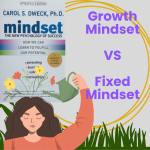
One of the most powerful characteristics of a good mentor is the ability to deliver honest feedback that builds, rather than breaks, a mentee's spirit. Effective mentors master the art of constructive feedback, framing challenges as opportunities and normalizing failure as a vital part of the learning process. By championing a growth mindset, the belief that abilities can be developed through dedication and hard work, they help mentees cultivate resilience. This approach transforms potentially demoralizing criticism into fuel for motivation and tangible improvement.
Why This Trait Is a Game-Changer
A mentor who shies away from difficult conversations or delivers feedback poorly does their mentee a disservice. Without clear, actionable guidance, a mentee can continue making the same mistakes, stunting their professional growth. For example, a startup advisor in an accelerator program who simply says "your pitch is weak" offers no path forward. In contrast, a great mentor will pinpoint specific areas for improvement, like "The financial projections on slide eight are unclear; let’s work on a model that investors can understand in 30 seconds." This turns a vague critique into a solvable problem. It’s the difference between judging a performance and coaching a performer.
Actionable Tips for Mentors and Mentees
Whether you are honing your feedback skills or learning to receive it, focus on these practical behaviors.
For Mentors:
- Ask for Permission: Before offering your thoughts, ask, "Are you open to some feedback on that?" This gives the mentee a sense of control and prepares them to listen.
- Be Highly Specific: Avoid generalities. Instead of "Your leadership style needs work," try, "I noticed in the team meeting that you cut off two junior members. Let’s discuss strategies for more inclusive facilitation."
- Share Your Own Failures: Normalize mistakes by sharing your own. "I made a similar error early in my career. Here’s the lesson it taught me about stakeholder communication." This builds trust and makes the feedback feel less like a personal attack.
- Focus on Effort and Strategy: Praise the work ethic, then help refine the approach. Say, "I can see how much effort you put into this report. Let's adjust the structure to make your key insights even more impactful."
For Mentees:
- Listen to Understand, Not to Reply: When receiving feedback, resist the urge to immediately defend your actions. Listen carefully and ask clarifying questions to ensure you understand the mentor's perspective.
- Assess the Focus: Does the mentor focus on blaming you for past actions, or are they focused on helping you find better strategies for the future? A growth-oriented mentor is always forward-looking.
- Look for Shared Vulnerability: A mentor who is willing to talk about their own missteps is demonstrating a true growth mindset and is more likely to create a safe space for your own development.
8-Point Mentor Characteristics Comparison
| Characteristic | Why It's Crucial | Positive Indicator (What to Look For) | Red Flag (What to Avoid) |
|---|---|---|---|
| Active Listening & EQ | Builds trust and addresses root causes, not just symptoms. | They ask clarifying questions and can summarize your feelings accurately. | They interrupt frequently and seem eager to give their own opinion. |
| Domain Expertise | Ensures guidance is relevant, credible, and effective. | They reference recent trends, studies, or news in your field. | Their advice is based solely on what worked for them a decade ago. |
| Clear Communication | Makes complex advice understandable and actionable. | They use analogies and check for understanding; "Does that make sense?" | They use excessive jargon, leaving you feeling more confused. |
| Goal-Setting & Accountability | Turns conversations into measurable progress and momentum. | They start meetings by asking for updates on previously set goals. | Meetings are pleasant chats with no clear action items or follow-up. |
| Strategic Network | Opens doors to opportunities you couldn't access alone. | They proactively suggest introductions to specific people who can help. | They talk about their great network but never offer to make a connection. |
| Adaptability | Customizes the mentorship to your unique needs and learning style. | They ask how you prefer to receive feedback or structure meetings. | They apply a rigid, one-size-fits-all formula to every mentee. |
| Integrity & Ethics | Models the principled behavior required for long-term success. | They openly discuss their own mistakes and how they handled them. | They suggest cutting corners or "bending the rules" to get ahead. |
| Constructive Feedback | Fosters resilience and growth by making feedback a learning tool. | They are specific with feedback and focus on future actions. | Their feedback is vague ("It's not good enough") and offers no solution. |
Putting It All Together: Your Next Steps in Mentorship
We've explored the intricate tapestry of what makes a truly effective mentor. From the quiet power of active listening and the foundational trust built through integrity, to the forward momentum driven by goal-setting and the expansive opportunities opened by a strategic network, the journey of mentorship is both an art and a science. It's not about finding a flawless individual but about identifying someone who embodies a blend of these crucial characteristics of a good mentor.
The most transformative mentorships are dynamic partnerships. They thrive on clear communication, adapt to changing needs, and are fueled by a shared commitment to a growth mindset. A great mentor doesn't just provide answers; they equip you with the tools to find your own, offering constructive feedback that builds you up rather than tearing you down. They possess deep domain expertise but also the humility to know they don't have all the answers.
Ultimately, recognizing these traits is the first step. The real work lies in applying this knowledge, whether you are seeking a guide for your own path or striving to become a better mentor for someone else.
Your Action Plan for Finding or Becoming a Great Mentor
Moving from theory to practice is what separates aspiration from achievement. Use this checklist to guide your next steps and turn insight into impact.
For Aspiring Mentees: Revisit the eight characteristics we've discussed. Identify your top three "must-have" traits in a mentor right now. Is it their network, their specific expertise, or their ability to provide candid feedback? Use this priority list to create a targeted search, evaluating potential mentors against a clear, personalized scorecard. Don't seek perfection; seek alignment with your most pressing needs.
For Current and Future Mentors: Conduct a self-assessment. Which of these characteristics is your strongest suit? Where is your biggest opportunity for growth? Perhaps you excel at providing constructive feedback but need to be more intentional about leveraging your network for your mentee. Choose one area to focus on for the next three months. Remember, the best mentors are also lifelong learners.
Initiate the Conversation: Don't wait for the perfect mentor to find you, or for a mentee to magically appear. Start conversations. Reach out to someone you admire and ask for a 20-minute virtual coffee to discuss their career path. If you're looking to mentor, let your network know you're open to sharing your experiences with emerging professionals in your field.
The Lasting Impact of Quality Mentorship
The value of a strong mentor-mentee relationship extends far beyond a single promotion or a solved problem. It builds confidence, accelerates learning, and fosters a sense of belonging and purpose. It can fundamentally alter the trajectory of a career and, in many cases, a life. These relationships are the scaffolding upon which successful, resilient, and fulfilling professional journeys are built.
By understanding the essential characteristics of a good mentor, you empower yourself to either find the right guide or become the guide someone else needs. To further enhance your mentoring journey, exploring effective strategies for mentoring success is invaluable. This is about more than career advancement; it's about cultivating a community of support, shared wisdom, and mutual growth that pays dividends for years to come. The effort you invest today-in finding, choosing, or becoming a mentor-will be one of the most rewarding investments you ever make.
Frequently Asked Questions (FAQ)
1. What is the single most important characteristic of a good mentor?
While all characteristics are important, active listening and emotional intelligence often form the foundation. Without the ability to listen and understand a mentee's true challenges and goals, a mentor's expertise and advice cannot be effectively applied. Trust is built through listening.
2. How is a mentor different from a coach or a sponsor?
A mentor provides guidance and wisdom based on their own experiences. A coach focuses on developing specific skills and improving performance, often without direct experience in the mentee's role. A sponsor is a senior leader who actively advocates for your career advancement within an organization, using their influence to create opportunities for you.
3. Can a mentor be younger or less experienced than the mentee?
Absolutely. This is called reverse mentoring. A younger mentor might have more current knowledge in areas like social media, new technologies, or cultural trends. The key is that the mentor possesses specific expertise or a perspective that the mentee lacks, regardless of age or seniority.
4. How do I find a good mentor?
Start by looking within your current professional network, at industry events, or on platforms like LinkedIn. Identify people whose careers you admire. Don't ask "Will you be my mentor?" in the first interaction. Instead, ask for a brief conversation to learn from their experience on a specific topic. If the relationship develops naturally, you can formalize it later.
5. How much time should a mentorship take?
This should be established upfront. A common arrangement is a one-hour meeting once a month, with occasional brief check-ins via email or message. The key is consistency, not necessarily frequency. A good mentor will be clear about their availability and boundaries.
6. What should I do if my mentor gives bad advice?
First, seek to understand their reasoning. Ask clarifying questions. If you still disagree, it's okay. You are not obligated to follow every piece of advice. Politely thank them for their perspective and explain the different approach you've decided to take and why. A good mentor will respect your autonomy.
7. Is it okay to have more than one mentor?
It is not only okay, it is highly recommended. You can build a "personal board of directors" with different mentors for different areas of your life—one for career strategy, another for technical skills, and perhaps another for work-life balance. No single person can be an expert in everything.
8. How do I respectfully end a mentorship that isn't working?
Be honest, gracious, and professional. Send a thank-you note or email expressing your gratitude for the time and wisdom they've shared. Explain that your needs have evolved or that you need to pause the formal meetings to focus on your current priorities. This leaves the door open for future contact and preserves the relationship.
9. What makes a mentee a good mentee?
A good mentee is proactive, prepared, respectful of the mentor's time, and open to feedback. They drive the relationship by setting agendas for meetings, coming with specific questions, and following through on action items. They also report back on progress and show gratitude.
10. How can I be a good mentor if I don't feel like an "expert"?
You don't need to have all the answers. Your value comes from your unique experience, your perspective, and your willingness to listen. Be honest about what you don't know (modeling humility), and focus on asking powerful questions that help your mentee find their own answers. Your journey, including your mistakes, is your expertise.
Ready to find the perfect mentor or manage your professional development with more clarity? Everyday Next provides the tools you need to set goals, track progress, and build your personal board of directors. Supercharge your growth journey and connect with the right people to guide you at Everyday Next.
Previous Post
Next Post