
Technology Startups in 2026: Opportunities, Risks and Funding Trends
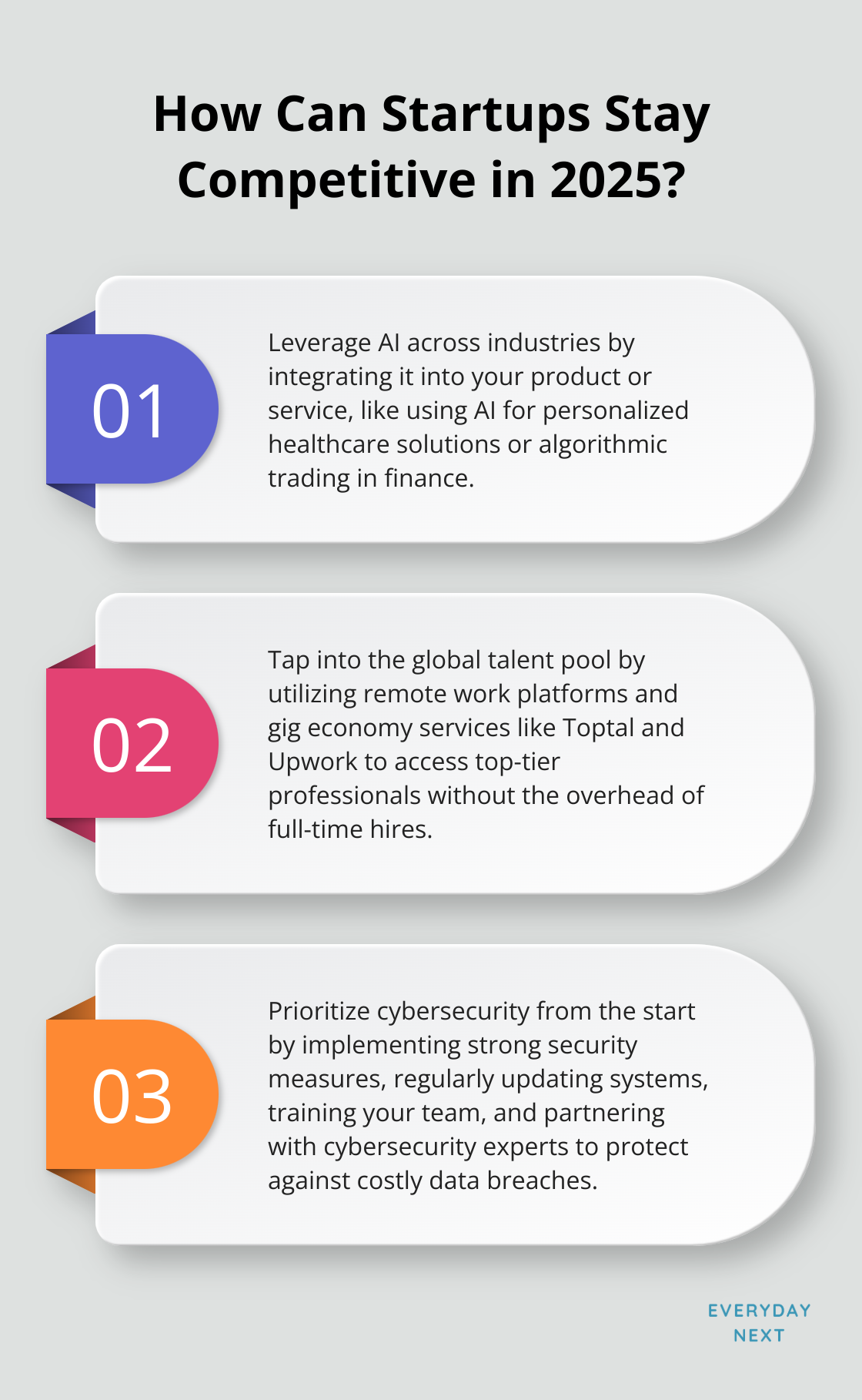
Updated September 2026. Technology startups operate in a market where AI can reduce product-development costs while also making features easier to copy. The durable advantage is usually distribution, trusted data, workflow integration or specialized expertise.
Promising opportunity areas
- Vertical AI for regulated or complex industries
- Cybersecurity and identity
- Healthcare administration and accessibility
- Climate adaptation and energy efficiency
- Industrial automation and supply-chain software
- Tools that help small businesses adopt AI safely
Validate before raising money
- Interview customers about a costly, frequent problem.
- Build the smallest usable product.
- Measure activation, retention and willingness to pay.
- Calculate gross margin after cloud and AI-inference costs.
- Document privacy, security and regulatory requirements.
Funding choices
Bootstrapping preserves ownership but can slow growth. Angel and venture funding can accelerate a proven opportunity but creates dilution and pressure for a large exit. Grants, customer financing and partnerships may suit capital-intensive or research-led ventures.
Metrics investors examine
Recurring revenue, gross margin, customer concentration, acquisition cost, retention, burn rate and runway matter more than downloads or press mentions. AI startups should disclose dependence on external model providers and the cost of serving each customer.
Main risks
- A feature is copied by a platform provider
- Customer data cannot legally or safely be used
- Inference costs make pricing uneconomic
- One supplier controls the product roadmap
- Growth hides poor retention
Bottom line
A good 2026 startup solves a verified problem and can retain customers at sustainable margins. “Uses AI” is not a moat.
Related EverydayNext guides
Founders should also review our guides to social entrepreneurship, AI agents in organizations, and using Google Trends for market research.
Sources
Related Posts



Previous Post
Next Post









Pingback: How to Scale a Startup Sustainably in 2026