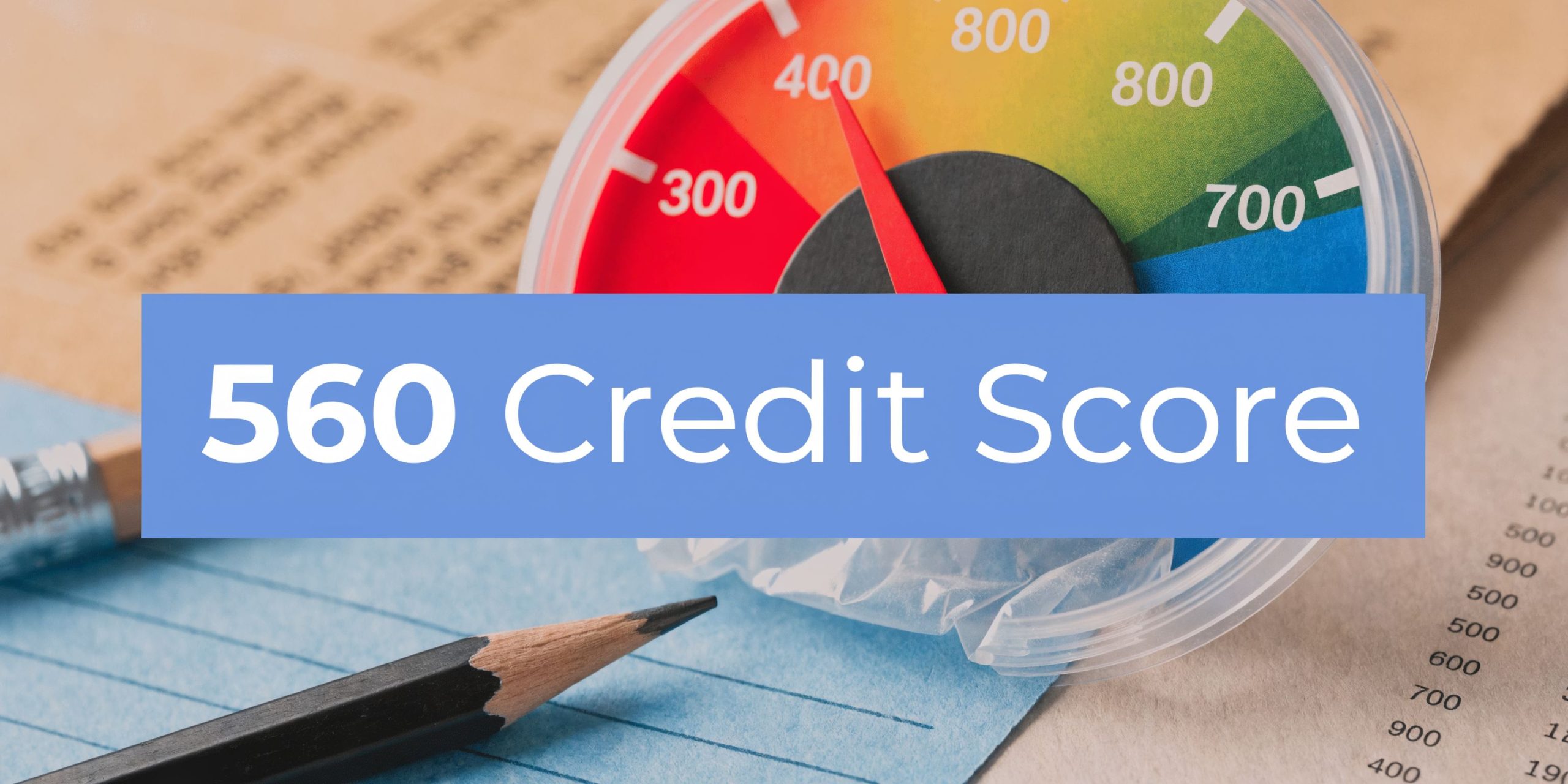
What a 560 Credit Score Means for 2026 & How to Fix It
Let's be direct. Seeing a 560 credit score can be disheartening. It’s a number that puts you in the 'very poor' category, and it tells lenders you’re a high-risk borrower. Think of it less as a permanent judgment and more as a clear signal that your financial history has some significant red flags.
What a 560 Credit Score Really Means for You
A 560 score sits at the low end of the 300-850 scale most lenders use. When a lender sees that number, they automatically proceed with caution. It suggests you've had trouble managing debt in the past, making them hesitant to approve you for new credit. If you want a deeper dive into how these scores are built, this resource explains What Is A Credit Score in simple terms.

A score this low doesn't just appear out of nowhere. It's almost always tied to specific negative marks on your credit report. Pinpointing these issues is the first real step toward fixing them.
Common Reasons for a 560 Credit Score
So, what causes a score to drop to 560? It usually comes down to a few major culprits. See which of these might sound familiar—figuring this out is crucial for your comeback plan.
- Late or Missed Payments: This is the big one. Your payment history makes up 35% of your FICO score, so it carries the most weight. Just one or two payments that are 30 or 60 days late can do serious damage. For example, if you missed a car payment two months ago, that single event could be the primary reason your score dropped below 600.
- High Credit Utilization: This is the ratio of your credit card balances to your credit limits. If you've maxed out your cards (e.g., you owe $4,800 on a card with a $5,000 limit), lenders see it as a sign of financial stress. This factor accounts for 30% of your score.
- Collection Accounts: If a bill goes unpaid for too long, the original creditor might sell your debt to a collection agency. A collection account is a major red flag and can tank your score.
- Limited Credit History: Sometimes, a low score isn't about bad credit—it's about no credit. If you're new to using credit, there's just not enough data to prove you're a reliable borrower yet. This is common for young adults or recent immigrants.
Where 560 Stands in the Bigger Picture
To put it in perspective, a 560 score is well below the national average. In late 2025, the average FICO score in the U.S. was 718—that’s a 158-point gap you're looking to close. Statistics show that people in this score range often have an extremely high credit utilization ratio, averaging nearly 70%. For comparison, people with excellent credit use just 7.1% of their available credit.
By understanding exactly what contributes to a 560 score, you shift from feeling stuck to being empowered. Each factor that lowered your score represents an opportunity for improvement. Building your knowledge is a key part of this journey, and you can learn more about how to improve your financial literacy with our dedicated guide.
How a 560 Score Impacts Your Daily Financial Life
A 560 credit score isn't just some abstract number—it has a very real, and often frustrating, impact on your wallet and your daily life. Think of it less as a grade and more as a financial gatekeeper. This score can make everything from getting a car to renting an apartment more complicated and definitely more expensive.
The most immediate sting you'll feel is the cost of borrowing. Lenders see a 560 score as a red flag for risk, and they protect themselves by charging much higher interest rates. It’s a penalty that adds up fast.

This "poor credit tax" can be staggering. One study found that people with scores in the 560-619 range paid, on average, an extra $13,884 over the life of their loans compared to those with excellent credit. That kind of money makes it incredibly difficult to get ahead and break the cycle of debt.
Real-Life Example: The Cost of a 560 Score
Let's look at two friends, Maria and David, who are both buying the exact same $25,000 used car with a 60-month loan.
- Maria (720 credit score): Qualifies for a 6.7% APR. Her monthly payment is $492.
- David (560 credit score): Is only approved for a subprime loan with a 19% APR. His monthly payment is $650.
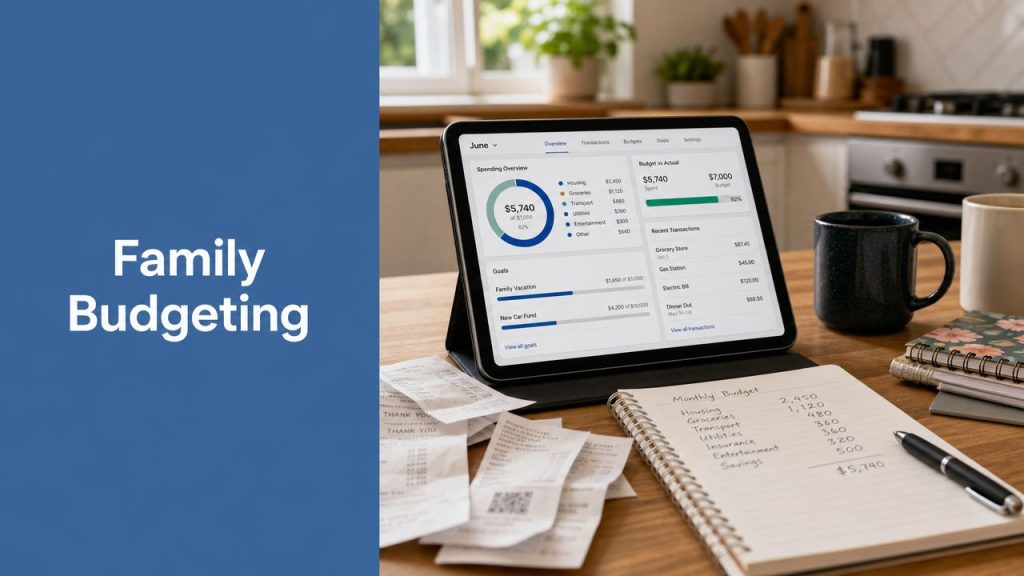
Over the five-year loan, David will pay $9,480 more than Maria for the identical car. That's nearly $10,000 that could have been an emergency fund, an investment, or just breathing room in his budget. This is where a solid financial game plan becomes non-negotiable. Our guide on how to create a monthly budget is a fantastic place to start getting organized.
Day-to-Day Financial Obstacles
The ripple effects of a 560 score go far beyond just loans. You'll feel the friction in ways you might not expect.
A low credit score forces you to play defense with your finances. Instead of seeking opportunities for growth, you spend your time and energy navigating rejections and finding more expensive workarounds.
This defensive posture pops up everywhere, from applying for a credit card to finding a place to live. To show you what this looks like, here’s a quick comparison of what to expect when you apply for common financial products.
Financial Product Access: 560 vs. 720+ Credit Score
| Financial Product | Likely Outcome with a 560 Score | Likely Outcome with a 720+ Score |
|---|---|---|
| Unsecured Credit Cards | Approval is highly unlikely. You'll likely be limited to secured cards that require a cash deposit. | Approval for a variety of cards with rewards, sign-up bonuses, and low or 0% introductory APRs is probable. |
| Auto Loans | You may be approved but will face very high interest rates (18% or more) and may need a large down payment. | You'll likely qualify for competitive interest rates (around 6-9%), a lower down payment, and better loan terms. |
| Apartment Rentals | Landlords may reject your application or require a co-signer and a much larger security deposit (2-3 months' rent). | Your application will likely be approved easily, often with a standard one-month security deposit. |
| Insurance Premiums | In most states, insurers can use credit-based scores to set premiums, leading to higher rates for auto and home insurance. | You receive the best available rates, as good credit is associated with lower risk and fewer claims. |
The bottom line is that a 560 score means paying more for the same things, hearing "no" more often, and having fewer options to build your financial future. Understanding these real-world impacts is the first crucial step toward turning things around.
Qualifying for a Mortgage with a 560 Credit Score
For most people, buying a home is the biggest financial milestone of their lives. But let's be direct: with a 560 credit score, getting a conventional mortgage is going to be incredibly tough. Lenders see that score and immediately think "high risk," which makes approving a traditional home loan next to impossible.
This doesn't mean you'll never own a home. It just means the standard path isn't open to you right now. Conventional lenders have pretty firm minimum score requirements, usually starting somewhere in the mid-600s. A score of 560 tells them there's been some significant credit trouble in the past, and they get very nervous about financing a purchase that large.
The numbers don't lie. Trying to get a mortgage with a score in this range is a long shot. In fact, historical data shows that a tiny fraction of all mortgages went to borrowers with scores between 540 and 579. To put that in perspective, out of every 10,000 people in this credit bracket who applied for a mortgage, only a handful were likely approved.
Are There Any Alternative Paths to Homeownership?
While a conventional loan is off the table for now, there are a couple of other very specific avenues you might be able to explore. These aren't easy wins, and they come with their own set of strict rules.
- FHA Loans: These government-backed loans are designed to be more forgiving. The standard FHA requirement is a 580 credit score, which allows for a down payment as low as 3.5%. While some lenders can technically approve an FHA loan with a score below 580, they'll demand a much bigger down payment—at least 10%—and will want to see other strengths, like a low debt-to-income ratio or a lot of cash in savings.
- A Co-Signer: Having someone with great credit co-sign on the loan can sometimes get you over the finish line. Just remember, this is a massive ask. Your co-signer becomes fully and legally responsible for the entire mortgage if you can't pay.
The most reliable strategy isn't to find a niche lender willing to take a risk, but to focus on improving your credit score first. Getting your score above 580, and ideally into the 620-640 range, will dramatically expand your options.
Comparing Mortgage Options with a Poor Score
When you're dealing with a low credit score, you have to understand the trade-offs. It can be a challenge, but you can find helpful strategies for getting a mortgage with bad credit from resources that specialize in this situation. Here's a quick breakdown of what the mortgage landscape looks like.
| Loan Type | Minimum Score (General Guideline) | Key Considerations for a 560 Score Applicant |
|---|---|---|
| Conventional Loan | 620+ | Almost impossible to qualify. Focus on credit repair first. |
| FHA Loan | 580 (for 3.5% down) | A large down payment (10% or more) is mandatory. Not all lenders will approve scores below 580. |
| VA Loan (Veterans) | No official minimum, but lenders often require 620+ | Very difficult to find a lender who will approve a 560 score, despite VA backing. |
| USDA Loan (Rural) | Typically 640+ | Inaccessible with a 560 score. |
If you want to get a better handle on the property market itself, check out our crash course in real estate to master the basics. At the end of the day, your best bet is to build a stronger credit profile before you jump into the competitive housing market.
Finding Credit Cards and Loans You Can Get
When your credit score is hovering around 560, it can feel like most traditional lenders have shut their doors. But that's not the whole story. A whole category of financial products exists specifically to help people in your exact situation get back on solid ground.
Your real mission here isn't to snag a fancy rewards card with a huge limit. It's to find a simple, effective tool that reports your good habits to the credit bureaus. This is how you prove you can handle credit responsibly, one small step at a time. The key is to look at options where the lender takes on almost zero risk, which is why secured products are your new best friend.
Your Best Bet: Secured Credit Cards
If there's one tool that can jumpstart your credit-building journey, it's a secured credit card. Think of it as a credit card with training wheels—it works just like a regular card but is tied to a security deposit you provide.
Here's how it works: You put down a refundable cash deposit, often somewhere between $200 and $500. That deposit then becomes your credit limit. Because your own money is securing the account, lenders are far more willing to approve you, even with a score of 560.
As you use the card for small purchases and pay the bill on time, the bank reports all that positive activity to the three major credit bureaus. This consistent, on-time payment history is the single most important ingredient for rebuilding your score.
Pro Tip: Treat your secured card like a debit card. Only charge what you know you can pay off in full at the end of the month. This demonstrates excellent credit management and keeps your credit utilization low—a huge factor in your score.
Real-Life Example: Rebuilding with a Secured Card
Let's look at Alex. He was stuck with a 560 score after a few rough months and missed payments. Tired of getting denied, he opened a secured credit card with a $300 deposit. He put just one small, recurring bill on it—his $40 monthly streaming service—and set up autopay to pay the balance in full each month. After just six months of this perfect payment history, his score shot up by over 30 points.
So, besides secured cards, what else is out there? Let's break down the most common tools you'll run into.
Credit-Building Products for a 560 Score
| Product | How It Works | Best For | Key Risk to Watch For |
|---|---|---|---|
| Secured Credit Card | You provide a cash deposit that sets your credit limit. Your payments get reported to the bureaus. | Building a solid payment history and learning to manage a revolving line of credit. | Watch out for high annual fees or other hidden charges. Make sure the card reports to all three credit bureaus. |
| Credit-Builder Loan | A lender places loan funds into a locked savings account. You make monthly payments, which are reported. | People who want to prove they can handle an installment loan and want a built-in savings component. | You're paying interest on the loan. Shop around, because you're essentially paying for payment reporting. |
| Subprime Personal Loans | Unsecured loans for borrowers with poor credit. Approvals are fast, but interest rates are sky-high. | True emergencies only, when every other door has closed and you have a concrete plan to pay it back. | Predatory interest rates (often over 36%), origination fees, and terms designed to keep you in a debt cycle. |
While a subprime personal loan might feel like a lifeline when you need cash fast, they should be your absolute last resort. The astronomical costs can easily make a bad financial situation much worse.
A secured card or a credit-builder loan is a much safer, smarter path forward. You can also explore how some of the more popular fintech companies are creating new credit-building options that are often more accessible. Rebuilding credit isn't about a quick fix; it's about making slow, steady, and strategic moves that pay off in the long run.
How to Rebuild Your 560 Credit Score, Step-by-Step
Staring at a 560 credit score can feel overwhelming. I get it. But that number isn’t a permanent brand—it's just a starting point.
Think of yourself as the general contractor of your financial life. Right now, the foundation has some cracks. This plan is your blueprint for fixing them, one manageable step at a time. It’s all about showing lenders you’re a good bet again by building a new track record of responsible habits.
Let's walk through it.
Step 1: Find and Fix Errors on Your Credit Report
First things first: you need to see exactly what lenders see. Your credit reports are the raw data behind your score, and they can contain errors. The Consumer Financial Protection Bureau (CFPB) has found that many people discover inaccuracies that are unfairly dragging down their scores. Getting just one significant error removed can provide a quick score boost.
You can pull your reports from all three bureaus—Equifax, Experian, and TransUnion—for free every single week at the official, government-mandated site: AnnualCreditReport.com.
- What to look for: Comb through every line. Look for accounts you don't recognize, payments marked late that you paid on time, or old collection accounts that should have fallen off by now.
- How to dispute: If you spot an error, dispute it online directly with that credit bureau. They have a legal obligation to investigate your claim and correct any proven mistakes, usually within 30-45 days.
Step 2: Pay Down Your Credit Card Balances
Your credit utilization ratio is a huge piece of the puzzle, making up 30% of your score. It’s the amount of debt you have on your credit cards compared to your total credit limits. If your card has a $5,000 limit and you owe $4,500, your utilization is 90%. That’s a major red flag for lenders.
Slashing this number is one of the fastest ways to see your score climb. Your immediate goal is to get your total utilization below 30%. So, if you have $10,000 in total credit limits across all your cards, you need to get your combined balances under $3,000. Start by attacking the card with the highest balance to make the biggest dent. You could see a score bump in as little as 30 days.
Step 3: Get a Tool Designed for Credit Building
With a 560 score, you must start adding fresh, positive payment history to your reports. The best way to do that is with a new account designed specifically for people rebuilding credit. Your top choices are a secured credit card or a credit-builder loan.

Think of these tools as your training wheels. You're not using them to go on a shopping spree; you're using them to prove you can handle credit responsibly.
The golden rule for any new credit-building account is to use it for one or two small purchases, then pay the bill in full and on time, every single month. The goal isn't to borrow money—it's to build a perfect payment history.
Step 4: Never, Ever Miss a Payment Again
Your payment history is the heavyweight champion of your credit score—it accounts for 35% of the entire calculation. Just one payment that's 30 days late can torpedo your score and wipe out months of progress.
From this day forward, on-time payments are non-negotiable.
- Set up Autopay: Log into every single one of your accounts and set up automatic payments for at least the minimum due. This is your safety net.
- Use Calendar Alerts: For any bills you can't automate (like rent), set two reminders on your phone's calendar—one for a week before and another for a day or two before the due date.
Making this a rock-solid habit for the next 6-12 months will do more for your 560 score than almost anything else.
Step 5: Become an Authorized User (Carefully)
Here’s a potential shortcut, if you can swing it. Ask a close family member or a trusted friend with a fantastic credit score to add you as an authorized user on one of their oldest credit cards.
When they do, the entire positive history of that account—its age, high limit, and perfect payment record—can get copied over to your credit report. This can give your score a serious lift, especially in the "length of credit history" category.
But this comes with a huge warning: if the main cardholder ever misses a payment or maxes out the card, that negative mark will hit your report, too. Only do this with someone whose financial habits you trust implicitly.
Building a financial safety net is just as important as building your credit. If you need some help getting started, our guide on how to build an emergency fund breaks it down. Follow these five steps, and you'll be well on your way to leaving that 560 score in the rearview mirror.
Frequently Asked Questions (FAQ)
1. How long does it take to get from a 560 to a 700 credit score?
Realistically, expect it to take 12 to 24 months of consistent positive financial habits. Your progress depends on making every payment on time, aggressively paying down credit card debt to keep utilization below 30%, and disputing any errors on your credit reports. While small gains can be seen in a few months, a significant jump to 700 is a marathon, not a sprint.
2. Will paying off a collection account immediately improve my score?
Not always, but it is a critical step. When you pay a collection, it's marked as "paid," which looks much better to lenders. Newer scoring models (FICO 9, VantageScore 3.0/4.0) penalize paid collections less severely or not at all. For the biggest impact, try to negotiate a "pay-for-delete" agreement in writing before you pay, where the agency agrees to remove the account entirely.
3. Is it better to close old credit cards or keep them open?
Keep them open. Unless a card has a high annual fee you can’t get waived, closing it can hurt your score. It reduces your average age of credit history and increases your credit utilization ratio by removing that card's credit limit from your total available credit.
4. What is the fastest way to see an improvement in my 560 score?
The quickest way to boost your score is to pay down your credit card balances. Your credit utilization ratio makes up 30% of your score and is reported monthly. Reducing high balances, especially getting them below the 30% threshold, can result in a noticeable score increase in as little as 30-45 days.
5. Can I get an apartment with a 560 credit score?
It’s challenging but possible. You'll have better luck with private landlords rather than large property management companies with automated screening. Be prepared to offer a larger security deposit, provide a co-signer with good credit, show proof of stable income, and write a letter explaining your situation and the steps you're taking to improve your credit.
6. Do I need a credit repair company to fix my score?
No. You can do everything a credit repair company does for free. You have the legal right to request your credit reports from AnnualCreditReport.com and dispute errors directly with the credit bureaus (Equifax, Experian, TransUnion). Be wary of companies that promise quick fixes or charge upfront fees, as many are scams.
7. Will checking my own credit score lower it?
No. Checking your own score is a "soft inquiry" and has zero impact. You can check it daily through credit monitoring services or your bank. A "hard inquiry," which occurs when you apply for new credit, can cause a small, temporary dip in your score.
8. What score do I need to move from "very poor" to "fair" credit?
The general threshold is 580. Reaching a 580 FICO score moves you from the "very poor" category into the "fair" category. This is an excellent first milestone, as it can open up better financing options, like qualifying for an FHA mortgage with a low down payment.
9. Is a secured loan or a secured credit card better for building credit?
For most people, a secured credit card is the more powerful tool. It helps you build a positive payment history while also demonstrating responsible management of a revolving credit line, which directly impacts your credit utilization ratio—a major scoring factor. A secured loan builds payment history but doesn't affect utilization.
10. How do medical collections affect a 560 credit score in 2026?
Medical debt is treated less harshly than other types of debt. As of 2026, all paid medical collections are completely removed from credit reports. Furthermore, new unpaid medical collection debt won't appear on your report until it's at least a year old, and any medical collection under $500 will not be reported at all.
Taking control of your finances starts with knowledge and a clear plan. For more practical guides on improving your financial life, from investing basics to personal development, explore the resources at Everyday Next. We provide the insights you need to make informed decisions for a better tomorrow. Learn more at https://everydaynext.com.
Related Posts


Previous Post
Next Post