
Seasonal Home Maintenance Checklist for Canada
Quick answer: A useful seasonal home maintenance checklist for Canada separates simple observations from work that needs a qualified trade, records when each check was completed, and adapts to winter, spring, summer and fall. Use the checklist as a planning aid, then follow your equipment manuals, local requirements and condominium, landlord or tenant responsibilities.
Evidence reviewed November 5, 2026. Maintenance intervals, codes, equipment instructions and household responsibilities can change.
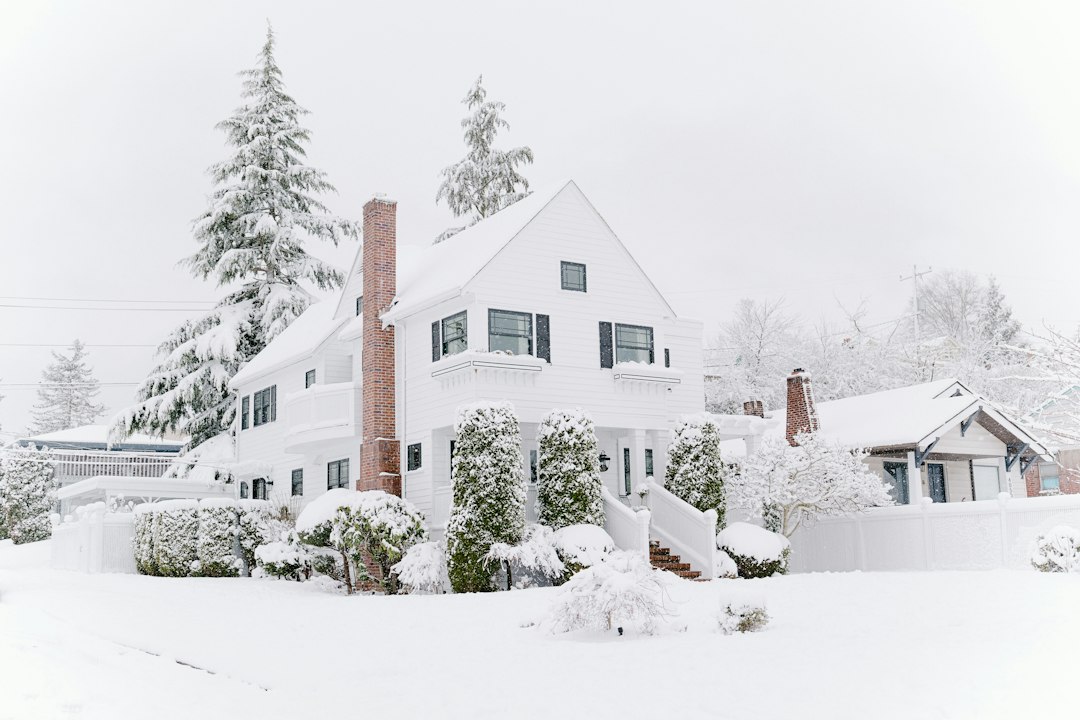
Illustrative photograph. Actual maintenance needs depend on the building, climate, equipment and legal responsibilities.
What should a seasonal home maintenance checklist do?
A seasonal checklist should help you notice changes before they become harder to manage. It is not a promise that a component is safe or that a future insurance claim will be accepted. The useful output is a dated record of what you observed, what you completed, what needs follow-up and who is responsible for the next step.
Start by identifying your role. A detached-home owner may control most systems. A condominium owner may be responsible for finishes and in-suite equipment while the corporation manages common elements. A renter should report concerns promptly and avoid work the lease or local law assigns to the landlord. A landlord may need to coordinate access and qualified service. When responsibility is unclear, check the lease, declaration, bylaws, warranty, equipment manual and applicable local rules.
Keep the maintenance record with your household information binder. Record important belongings separately in the home inventory checklist. These pages solve different problems: the binder maps records, the inventory documents possessions, and this checklist records recurring building observations and actions.
How often should home maintenance be done?
There is no single interval for every home or product. Climate, equipment, age, use and manufacturer instructions matter. The framework below is a starting point for planning, not a replacement for the manual or a professional assessment.
| Timing | Examples | Boundary |
|---|---|---|
| Monthly or manufacturer-directed | Test smoke alarms; visually check for active leaks, unusual odours, blocked vents and new condensation | Do not open, repair or bypass safety equipment |
| Each season | Review drainage, exterior openings, weather seals, filters and seasonal equipment | Inspect from a safe location; avoid roofs, energized equipment and unsafe heights |
| Pre-season or annually | Heating, cooling, fuel-burning appliances and chimneys where applicable | Use qualified, licensed and insured professionals when required |
| Long-term or after material changes | Radon testing, major envelope changes and updated household documentation | Follow current official testing and mitigation guidance |
Health Canada advises testing smoke alarms monthly and following the manufacturer for cleaning, batteries and replacement. Its carbon-monoxide guidance recommends professional inspection of fuel-burning appliances at least annually or according to manufacturer instructions. Natural Resources Canada recommends licensed and insured contractor check-ups before heating and cooling seasons. Health Canada recommends a long-term radon test of at least three months; current measurement guidance says at least 91 days should occur during the heating season.
Winter home maintenance checklist
- Keep vents and meters visible: From a safe location, check that furnace, dryer, fireplace and other exhaust openings are not blocked by snow, ice or debris. Do not chip or force equipment; contact the utility or an appropriate contractor if ice is attached to a meter or vent.
- Watch heating performance: Note unusual cycling, cold rooms, odours or noises. Follow the manual for accessible filter checks. Combustion, gas, oil, refrigerant and electrical work belongs with qualified professionals.
- Check alarms: Test smoke alarms monthly and maintain carbon-monoxide alarms according to manufacturer and local requirements. Leave immediately and call emergency services from outside if a CO alarm sounds.
- Look for moisture: Record new window condensation, ceiling stains, damp basement areas or plumbing leaks. Moisture can have several causes, so treat a pattern as evidence to investigate rather than guessing.
- Keep exits usable: Maintain safe routes to doors, exterior stairs and emergency exits. Do not block egress with stored seasonal equipment.
- Review outage readiness: Recheck safe light, communication, medical-equipment contingencies and backup power using the Canadian power-outage checklist.
Government of Canada extreme-cold guidance recommends regular maintenance before cold weather, an efficient heating system, a clean chimney where applicable and sealed cracks and drafts. It also emphasizes household plans, appropriate clothing and checking on people who may need help.
Spring home maintenance checklist
- Review drainage: From ground level, check whether gutters and downspouts appear blocked, loose or damaged and whether water is being directed away from the foundation. Arrange safe cleaning or repair when needed.
- Inspect for winter damage: Look for visible roof-edge, siding, caulking, step, railing and driveway changes without climbing onto the roof.
- Test the sump-pump plan: Follow the manufacturer’s safe test procedure and confirm where discharge water goes. A missing backup-power or high-water plan belongs in the maintenance record.
- Check the basement or crawlspace: Record seepage, musty odours, cracks that changed or damaged stored items. Urgent water entry, electrical contact with water or structural movement needs professional help.
- Prepare cooling equipment: Clear accessible debris while power is isolated as the manual directs. Schedule qualified pre-season service when the equipment or warranty requires it.
- Open outdoor water carefully: Inspect for freeze damage and indoor leakage while restoring exterior faucets. Shut the water and get help if a pipe or fitting leaks.
Summer home maintenance checklist
- Watch cooling and indoor humidity: Note comfort problems, condensate leaks and unusual equipment behaviour. Clean or replace accessible filters according to the manual.
- Inspect windows and doors: Check screens, locks, weather seals and visible caulking. Do not seal an opening that serves combustion air or ventilation.
- Check water fixtures: Look under sinks, around toilets, near appliances and at exterior taps for active leaks or staining.
- Clean accessible exhaust filters: Follow the manufacturer for range-hood and bathroom-exhaust components. Stop if wiring, sharp edges or inaccessible ductwork are involved.
- Review exterior surfaces: From the ground, note peeling coatings, damaged decks, loose railings or vegetation contacting the building.
- Update records: Add completed work, invoices, warranties and service contacts to the binder. Back up important digital records using the privacy practices in the digital declutter checklist.
Fall home maintenance checklist
- Prepare heating: Schedule qualified service where applicable and confirm that thermostats, accessible filters and controls behave as expected.
- Review chimneys and fuel-burning equipment: Have cleaning and inspection completed by an appropriate professional. Do not rely on appearance alone for combustion safety.
- Clear drainage before freezing: Arrange safe gutter and downspout cleaning, confirm extensions direct water away from the building and address standing water.
- Winterize exterior water: Follow the building and plumbing instructions for hoses and shutoffs. Responsibility may differ for condos and rentals.
- Seal drafts appropriately: Inspect weather stripping and visible envelope gaps, but protect required ventilation and combustion-air openings.
- Start or review radon testing: Use a long-term test in the lowest normally occupied level and follow current Health Canada placement and timing guidance.
What maintenance needs a qualified professional?
Call an appropriate qualified professional when the work involves gas or oil, combustion, refrigerant, fixed electrical wiring, the service panel, structural movement, major water entry, mould that cannot be safely handled, roof access, unsafe heights, asbestos or another regulated hazard. Also follow permit, warranty, condominium and insurer requirements.
Stop and get urgent help for active fire, a carbon-monoxide alarm, a gas smell, sparking or submerged electrical equipment, major flooding, a suspected structural failure or another immediate danger. The household emergency plan covers contacts, evacuation, meeting places and household roles; this maintenance page is not an emergency-response substitute.
How should maintenance records be stored?
For each material observation, record the date, location, what changed, photographs if safe, the person or company contacted, advice received, invoice or warranty reference and the next review date. Avoid placing account numbers, alarm codes, identification documents or access credentials in a browser tool or unprotected spreadsheet.
Use the record to plan actions, not to manufacture certainty. A photograph of a stain proves what was visible on that date; it does not diagnose the cause. Move unresolved items into a dated monthly personal review so the owner, due date and follow-up do not disappear after the seasonal check.
Build your seasonal home maintenance log
This browser-local tool creates a six-item seasonal record. Its own code does not transmit your selections or use browser storage. Choose the property context, season and review date, load the checklist, then classify every item. The tool does not determine legal responsibility, compliance, safety or whether a professional inspection is required.
Create a six-item seasonal record
Your seasonal follow-up record
Confirm responsibilities, intervals and corrective work against current manuals, local requirements and qualified advice.
Frequently asked questions
Is this checklist only for homeowners?
No. Renters, condominium residents and landlords can use it to record observations and follow-up. The lease, declaration, bylaws, local law and building policies determine who may perform or authorize work.
How often should smoke alarms be tested?
Health Canada advises testing smoke alarms every month and following manufacturer directions for cleaning, batteries and replacement. Provincial, territorial or local rules may add requirements.
How often should a furnace or heat pump filter be changed?
Use the equipment manual and manufacturer guidance. Filter type, system design, household conditions and operating hours differ, so a universal interval can be misleading.
When should fuel-burning appliances be inspected?
Health Canada recommends professional inspection at least once a year or according to manufacturer instructions. Use appropriately qualified service providers and follow local requirements.
When is the best time to test for radon?
A long-term test can begin at any time, but Health Canada currently recommends three to twelve months and says at least 91 days should occur during the heating season for a representative annual estimate.
Should I climb onto the roof to inspect it?
Not for this checklist. Make observations from the ground or another safe location. Roof access and work at height should be handled with suitable equipment and qualified help.
What should I do if a carbon-monoxide alarm sounds?
Move everyone to fresh air immediately, call 9-1-1 or local emergency services from outside, and return only after the problem has been fixed and professionals say it is safe.
Can this maintenance record prove an insurance claim?
No. It can document observations and completed work, but coverage, evidence and settlement depend on the policy, circumstances and insurer. Keep invoices, photographs and service records securely and ask the insurer about specific requirements.
Sources and evidence limits
- Canada Mortgage and Housing Corporation: Home Maintenance Schedule
- Government of Canada: Extreme cold—how to prepare
- Health Canada: Fire safety in your home
- Health Canada: Preventing carbon-monoxide exposure
- Health Canada: Guide for radon measurements in homes
- Natural Resources Canada: Maintaining home heating and cooling systems
Evidence limit: This general Canadian guide does not replace a building inspection, legal advice, emergency instructions, an equipment manual or a qualified trade. Codes, landlord-tenant duties, condominium responsibilities and climate risks vary by location and building.
Related Posts

Previous Post
Next Post