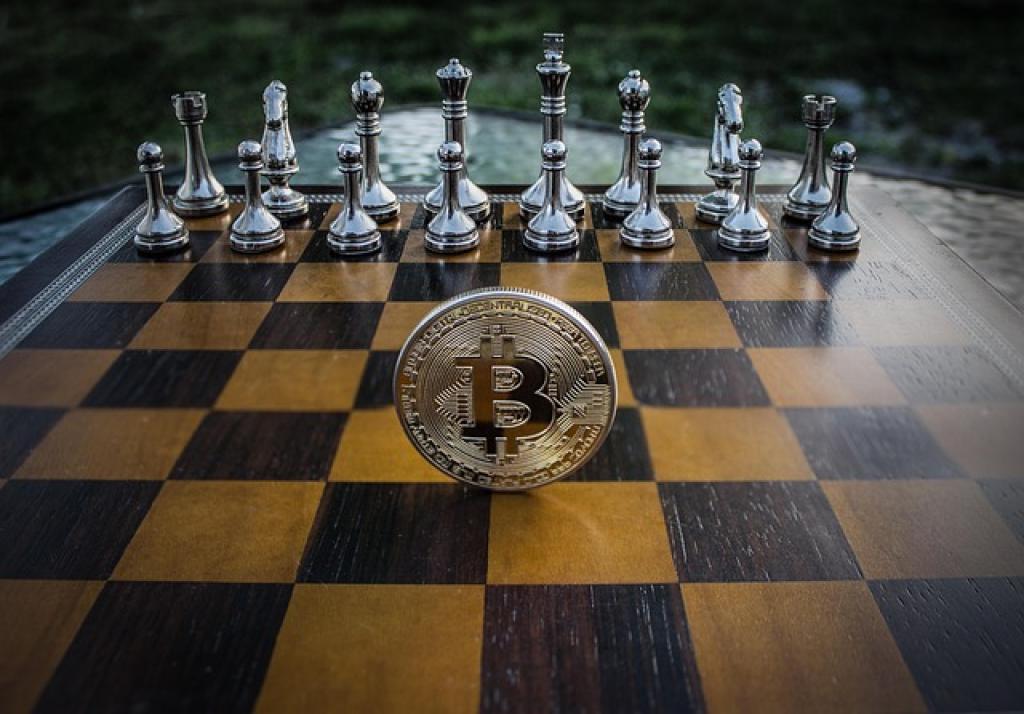
Is Cryptocurrency a Good Investment? A Practical Risk Guide
Cryptocurrency can be an investment, but it is not a suitable core holding for most beginners. Prices can rise quickly, yet losses can be just as fast and permanent. The sensible question is not simply whether crypto is “good” or “bad.” It is whether the risks, purpose, and potential position size fit your financial plan.
This guide provides a practical framework for deciding. It is general education, not individualized financial advice.
Is cryptocurrency a good investment? The short answer
Crypto may be reasonable as a small, speculative part of a diversified portfolio for someone who has stable finances, understands the technology and custody risks, and can afford to lose the entire amount. It is generally a poor choice for emergency savings, near-term goals, borrowed money, or funds needed for housing, tuition, retirement income, or debt repayment.
| Crypto may be worth researching if… | Crypto is probably unsuitable if… |
|---|---|
| You already have an emergency fund | You carry high-interest debt |
| Your essential goals are funded elsewhere | You need the money within a few years |
| You can tolerate a total loss | A major price drop would cause panic selling |
| You understand custody and platform risk | You are relying on social-media tips |
| You are adding a limited speculative position | Crypto would become most of your portfolio |
Why people invest in cryptocurrency
Potential growth
Some crypto assets have produced extraordinary historical gains. That attracts investors who believe blockchain networks, digital scarcity, tokenized assets, or decentralized applications will become more important. Past gains, however, do not establish a repeatable return or guarantee that a particular token will survive.
Portfolio diversification
Crypto sometimes moves differently from stocks and bonds, but those relationships can change during market stress. An asset is not automatically a useful diversifier merely because it is different. Diversification depends on position size, correlation, liquidity, and how the asset behaves when the rest of your portfolio falls. Our portfolio diversification guide explains the broader framework.
Direct participation in new technology
Buying a token can provide exposure to a blockchain network or digital-asset ecosystem. But owning a token is not the same as owning shares in a profitable business. Many tokens provide no claim on revenue, assets, or cash flow, making valuation difficult.
The major risks you should understand
Extreme price volatility
Crypto prices can move dramatically in hours. The Canadian Securities Administrators describes crypto assets as particularly risky and highlights volatility, liquidity, technology, fraud, and platform risks. The U.S. Securities and Exchange Commission likewise warns that the risk of loss remains significant.
No reliable valuation anchor
A stock can be assessed using revenue, profits, assets, competitive position, and expected cash flow. Many crypto assets lack comparable fundamentals. Prices may depend heavily on adoption expectations, market liquidity, narratives, and speculation.
Platform and counterparty failure
A trading platform can be hacked, become insolvent, freeze withdrawals, mishandle customer assets, or face regulatory action. Registration adds protections but does not eliminate risk. Canadian investors can check whether a platform is registered through their provincial regulator or the Canadian Securities Administrators.
Custody mistakes
If you control your own wallet, losing a seed phrase or sending assets to the wrong address may be irreversible. If a platform controls the assets, you depend on its security, solvency, and withdrawal policies. The SEC’s investor bulletin on crypto custody explains the trade-offs between self-custody and third-party custody.
Scams and manipulation
Guaranteed returns, secret trading systems, celebrity promotions, recovery services, impersonation scams, and pressure to act immediately are major warning signs. In its 2025–2026 review, the Canadian Securities Administrators reported that more than 85% of its investor alerts, cautions, and warnings related to crypto assets.
Regulatory and tax uncertainty
Rules differ by country and can change. Crypto trades, staking rewards, mining income, gifts, and purchases may create tax consequences. Keep transaction records and consult the applicable tax authority or a qualified professional.
A five-step decision framework
- Protect the foundation first. Build an emergency fund, address expensive debt, and fund essential near-term goals.
- Write down the investment thesis. Identify what you are buying, why it could gain value, what could invalidate the thesis, and how long you plan to hold it.
- Set a maximum loss. Choose a position small enough that a total loss would not damage your lifestyle or long-term plan.
- Choose custody deliberately. Research registration, fees, insurance limitations, security practices, withdrawal rules, and wallet responsibilities.
- Plan the exit before buying. Decide when you would rebalance, take profits, sell after a thesis breaks, or recognize a loss.
How much cryptocurrency should you own?
There is no universal percentage. The right amount depends on income stability, debt, time horizon, other assets, risk capacity, and whether losing the position would affect important goals. For many people, the defensible amount may be zero. For an experienced investor with a strong financial base, a small speculative allocation may be manageable.
A useful test is simple: if a 70% decline would force you to change your financial plans or lose sleep, the position is too large. Beginners should first understand diversified funds, fees, taxes, and account types through our investing for beginners guide.
Crypto ETF, exchange, or self-custody?
| Method | Potential advantage | Main limitation |
|---|---|---|
| Regulated crypto fund or ETF | Familiar brokerage and simpler recordkeeping | Fees, tracking differences, and no direct on-chain use |
| Registered trading platform | Direct purchase and easier transactions | Platform, custody, spread, and withdrawal risk |
| Self-custody wallet | Direct control of private keys | You carry the security and recovery responsibility |
If you are comparing platforms, use our cryptocurrency exchange guide as a starting checklist, then verify current registration and terms directly.
Red flags that should stop you
- Guaranteed or unusually consistent returns
- Pressure to transfer money immediately
- A platform or adviser you cannot verify
- Requests for remote access to your phone or computer
- A token promoted mainly through influencers or private groups
- Borrowing, leverage, or credit-card funding
- No clear explanation of custody, withdrawals, or fees
- Promises that risk has been “eliminated”
Frequently asked questions
Is Bitcoin safer than other cryptocurrencies?
Bitcoin is older, more liquid, and more widely held than most tokens, but it remains highly volatile and carries custody, regulatory, technology, and market risks. “More established” does not mean low risk.
Can crypto replace an emergency fund?
No. Emergency savings should prioritize stability and accessibility. A volatile asset can fall sharply just when you need the money.
Should beginners buy crypto before index funds?
Generally, learning about diversified, low-cost investments first creates a stronger foundation. Crypto is a speculative satellite holding, not a substitute for a complete plan.
Can I lose more than I invest?
With an unleveraged purchase, losses are generally limited to the amount invested. Borrowing, margin, derivatives, or other leveraged products can create larger losses and additional obligations.
Bottom line
Cryptocurrency may have a place in some portfolios, but its strongest potential does not cancel its unusually high risk. Build the financial foundation first, keep any speculative position limited, verify the platform, understand custody, and never invest money you cannot afford to lose.
References
- Canadian Securities Administrators: Recognizing crypto risks
- Canadian Securities Administrators: Regulation of crypto assets
- Investor.gov: Technology and digital finance
- Investor.gov: Crypto asset custody basics
Reviewed under EverydayNext’s editorial standards. Information is educational and may become outdated as markets and regulations change.
Related Posts



Previous Post
Next Post