A semiconductor project aiming for 1 million wafer starts per month and a campus of about 100 million square feet isn't just another fab proposal. It's a claim that the

A semiconductor project aiming for 1 million wafer starts per month and a campus of about 100 million square feet isn't just another fab proposal. It's a claim that the
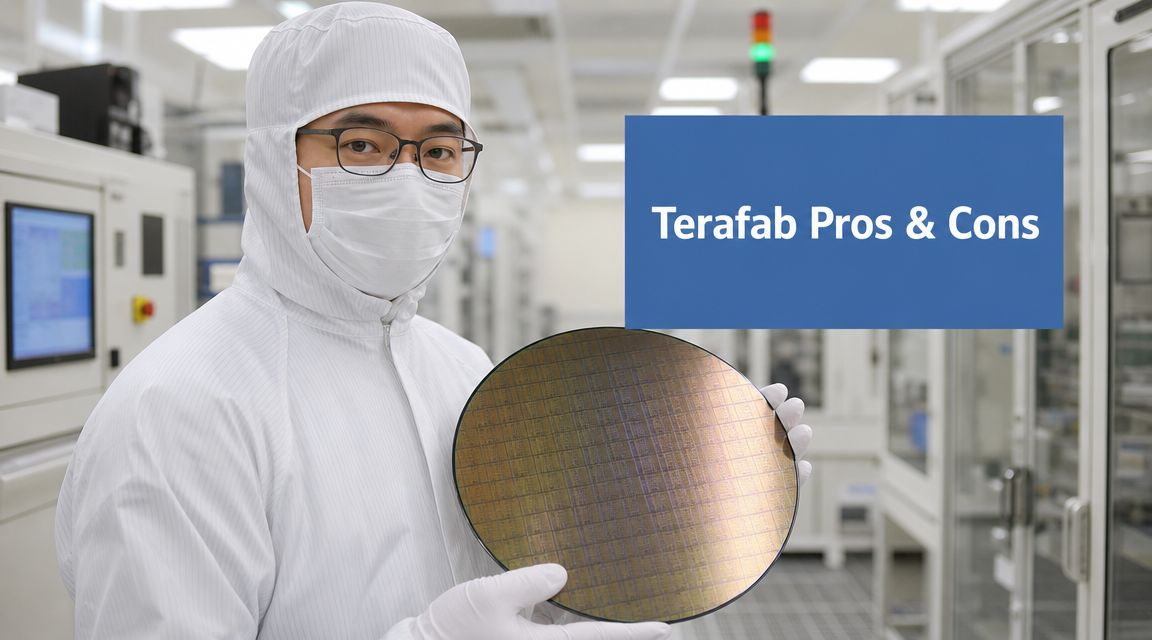
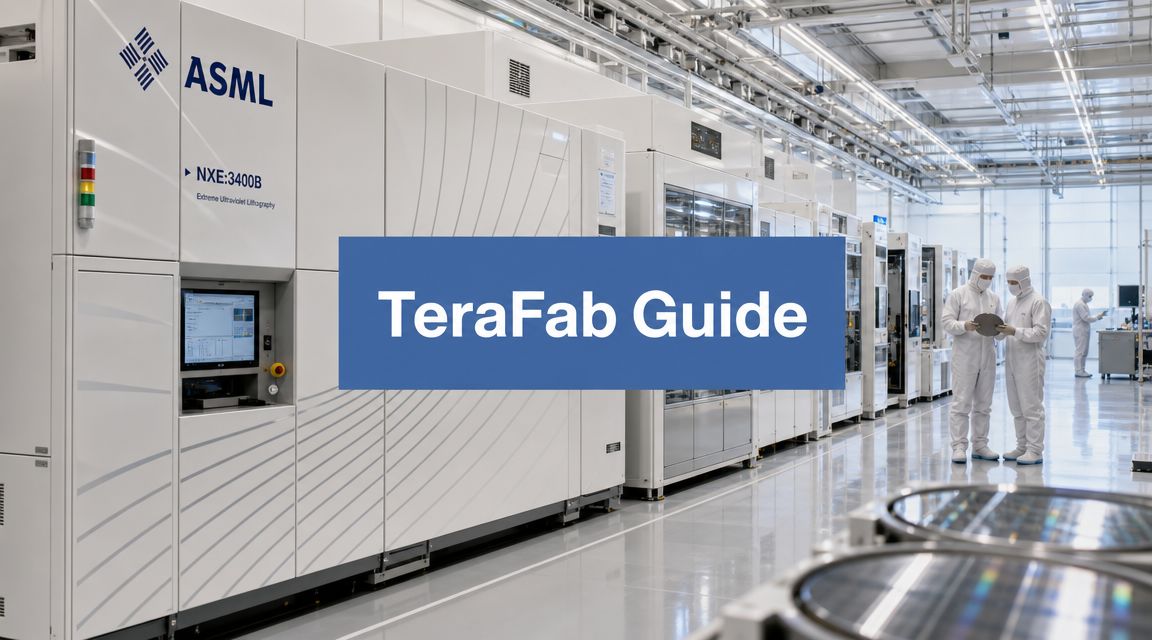
A factory that aspires to 1 million 300mm wafer starts per month from a single site would be operating at a scale that one report says is roughly 70% of
A carmaker wants smarter self-driving chips. A rocket company wants processors that can survive space. An AI lab wants more compute than the normal supply chain can reliably provide. TeraFab
Written by: The Everyday Next TeamPublished: October 26, 2026 Tesla's Terafab project has one goal, and it’s almost too big to imagine: producing 1 terawatt (TW) of AI computing capacity
Most coverage treats TeraFab like a sci-fi headline. The more revealing number is simpler: SpaceX intends to spend $55 billion upfront and potentially as much as $119 billion in total

You're probably seeing the same pattern everywhere right now. AI demos keep getting better, models keep getting larger, and every major platform says it wants more intelligence embedded into search,
Terafab is aiming at a scale that would force investors to stop thinking about chip fabs as incremental infrastructure. Its target is 1 million wafers per month by 2030, versus

The most revealing number in the Terafab story isn't the factory size or the process node. It's this: the global semiconductor industry currently produces 20 gigawatts of computing capacity annually,