Winter Storm Preparedness Checklist for Canada
Quick answer: When a winter storm is forecast in Canada, check the official alert, reconsider travel, make sure medications and household supplies will last, charge devices, move snow tools where they can be reached, and confirm safe heat and carbon-monoxide protection. During the storm, stay informed, avoid unnecessary travel and outdoor exertion, keep appliance vents clear, and never use fuel-burning equipment indoors.
A winter storm plan is not another generic emergency kit list. It is a short action sequence for the hours before snow, ice, extreme cold or poor visibility arrives, the period when travel and power may be disrupted, and the inspection after conditions improve.
This Canadian checklist follows current Public Safety Canada, Environment and Climate Change Canada, Health Canada and Canadian Red Cross guidance. It includes a browser-local readiness board that does not save or transmit your selections.
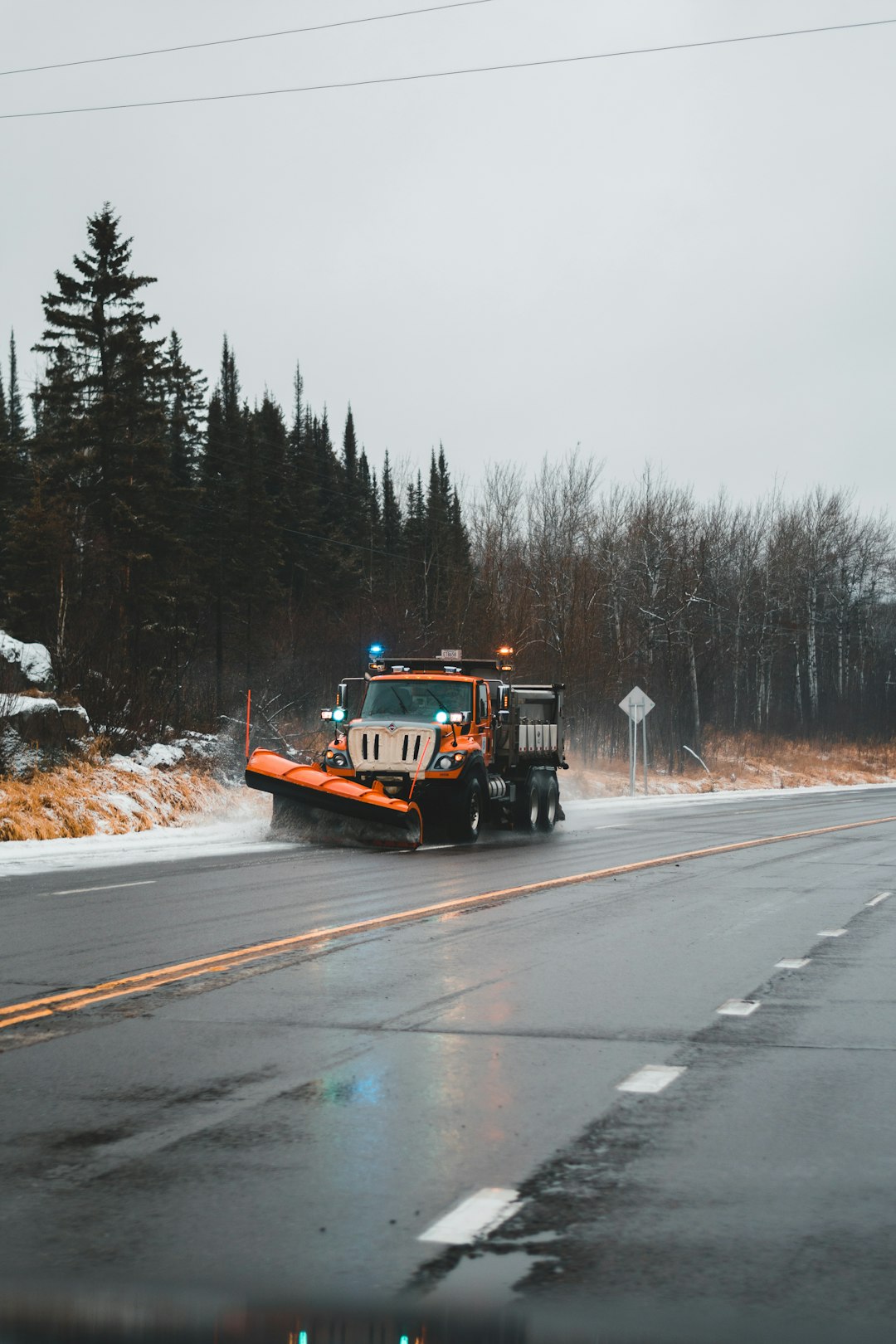
Photo by Finden Marketing on Unsplash (illustrative photo taken near Duluth, Minnesota).
Start with the official winter weather alert
Environment and Climate Change Canada is the authoritative Canadian source for public weather alerts. Its current system uses three alert types plus yellow, orange or red impact banners:
| Alert type | What it means | Household response |
|---|---|---|
| Watch | Conditions are favourable for severe weather. | Get ready: review the forecast, travel plans, supplies and household roles. |
| Advisory | Significant weather is happening or expected, but at a lower severity than a warning. | Act on the specific hazard, such as blowing snow, freezing drizzle or frost. |
| Warning | Severe weather is happening or expected. | Act now to protect people, animals and property; avoid preventable travel. |
Read the complete alert rather than relying on a social-media screenshot. Note the hazard, start time, expected duration, affected location and likely impacts. A winter-storm warning can combine snow, ice, cold, wind and poor visibility, so the required response may be different from a simple snowfall.
Use the Environment Canada alerts page, the WeatherCAN app and your municipality’s official channels. Local school, transit, road and utility decisions may change faster than a general forecast.
What should you do before a winter storm?
1. Decide which travel can be cancelled or moved
Public Safety Canada advises changing or cancelling travel when hazardous winter conditions are expected. Move optional appointments, remote-work if possible and confirm school or caregiver plans before roads deteriorate. If travel remains necessary, check the official forecast and provincial or territorial road information immediately before leaving.
Do not create a false sense of security from a vehicle kit. A kit supports an unavoidable delay; it does not make unsafe travel safe.
2. Confirm the household can function for several days
Start with the portable 72-hour base kit in your emergency plan, then add storm-specific needs:
- medications and medical supplies that could become difficult to obtain;
- food, water and pet supplies appropriate to the household;
- flashlights, radio, charged power banks and spare batteries;
- warm layers, blankets and dry clothing;
- safe snow-removal supplies placed where they remain reachable;
- cash for a payment outage, if practical.
Avoid panic buying. Check what the household already owns, replenish what was used and prioritize needs that cannot be substituted.
3. Prepare for health, disability and caregiving needs
Confirm who will check on an older relative, neighbour or household member who may not be able to shop, clear snow or tolerate a loss of heat. Identify how powered medical equipment will be supported and when the household would leave for a safer location. Keep the decision and phone numbers visible with a printed emergency contact card.
Bring companion animals indoors and prepare food, medication, carriers and a safe toileting plan. Do not leave these decisions until travel becomes difficult.
4. Check heat, alarms and exhaust paths
Confirm the primary heating system is operating normally. Use only backup heating equipment approved for the intended indoor location, installed and maintained as required. Test smoke and carbon-monoxide alarms and make sure battery backup is available where required.
Clear snow-removal tools before the storm. Know where the furnace, water-heater and dryer exhaust outlets are located so they can be checked safely from ground level when snow accumulates. For ongoing winterization rather than storm response, use the seasonal home maintenance checklist.
5. Create one storm information plan
Choose one person to monitor official alerts, one backup information channel and one time for the next household update. Tell an out-of-town contact about any expected disruption. Charge devices, but keep a battery radio available in case mobile and internet service fail.
What should you do during a winter storm?
Stay inside and keep checking official information
Avoid unnecessary travel and outdoor exposure. If officials issue an evacuation or safety instruction, follow it rather than assuming that staying home is always safer. Conditions can vary sharply within the same region.
Protect heat and ventilation safely
Check outdoor appliance exhaust vents only when conditions allow safe access from the ground. Snow or ice can block vents and allow dangerous combustion gases to accumulate. Do not climb onto a roof during a storm and do not improvise indoor fuel-burning heat.
If power fails, move to the more detailed Canadian power-outage checklist. Keep refrigerator and freezer doors closed, use flashlights instead of candles, and decide early whether medical, temperature or accessibility needs require relocation.
Limit cold exposure and exertion
Health Canada advises wearing layers with a wind-resistant outer layer, covering exposed skin and changing out of wet clothing. Frostbite and hypothermia can become medical emergencies. Confusion, slurred speech, loss of coordination, severe or stopping shivering, or an inability to warm safely require urgent help. Call 9-1-1 or the local emergency number for a severe or rapidly worsening condition.
Snow clearing is strenuous. Avoid overexertion, take warm-up breaks and consider professional or neighbour support if health, mobility or conditions make the work unsafe. Do not let a municipal deadline pressure someone into a medical risk.
If someone is stranded in a vehicle
Public Safety Canada advises staying inside the vehicle when trapped. Call emergency services when needed, share the location, remain visible and keep the tailpipe clear of snow and ice before running the engine. Do not leave the vehicle to walk through poor visibility unless officials direct otherwise or remaining creates an immediate danger.
What should you do after a winter storm?
- Check alerts and road conditions. Snow ending does not mean roads, sidewalks or transit are safe.
- Inspect from the ground. Look for blocked vents, damaged service lines, fallen branches, leaks and unusual roof or wall signs.
- Treat ice and clear access gradually. Prioritize a safe route to the main exit and utility equipment.
- Check pipes and indoor water damage. Freezing can lead to delayed leaks behind finishes. Shut off water if a pipe has burst and obtain qualified help.
- Avoid unsafe roof clearing. Keep people away from falling snow or ice and use an experienced professional if structural loading or roof access is a concern.
- Check on people and animals. Confirm that medications, heat, food and access needs are still covered.
- Restock and record. Replace used supplies and note what failed before the next alert.
Photograph damage only when the area is safe. A current home inventory can help identify affected property, but it does not guarantee insurance coverage or claim approval.
Interactive winter-storm readiness checklist
Use this board when a watch, advisory or warning is issued. Selections stay only in the current browser tab and are not saved. Print the page if the household needs an offline copy.
0 of 18 actions checked
Before conditions worsen
During the storm
After conditions improve
This checklist supports planning; it does not replace official alerts, emergency instructions, professional building advice or medical care.
Common winter-storm planning mistakes
Preparing only for snow depth
Ice, wind, extreme cold, low visibility, flooding after a thaw and a power failure can be more disruptive than the snowfall total. Read the impact section of the alert.
Waiting until the warning to find essential supplies
A warning may arrive only hours before the worst conditions. Maintain the 72-hour base kit year-round and use the watch period to close household-specific gaps.
Treating a generator as a plug-in appliance
Generator placement, connection and fuel handling are life-safety issues. Never connect a generator to household wiring by plugging it into a wall outlet. Use equipment and qualified installation appropriate to the intended setup.
Assuming everyone can clear snow
Cold and exertion can be dangerous. Assign help in advance and use professional services when health, roof access or equipment makes the task unsafe.
Frequently asked questions
What is the difference between a winter storm watch and warning?
A watch means conditions are favourable and the household should get ready. A warning means severe weather is happening or expected and protective action is needed now. Read the alert because timing and hazards vary.
How many days of supplies should a household keep?
Canadian preparedness guidance uses a minimum 72-hour base. A winter forecast may justify checking whether medications, heating fuel, infant items, pet needs or other household-specific supplies must last longer.
Should I travel before a winter storm starts?
Do not assume an early departure is safe. Check the official alert, road conditions, destination forecast and return window. Move optional travel when hazardous conditions are expected.
Can I use a barbecue or camping stove in a garage?
No. Public Safety Canada says never to use fuel-burning cooking equipment inside a home, garage, basement, crawlspace, shed or covered outdoor area. Carbon monoxide cannot be reliably detected by smell.
How far should a portable generator be from a building?
Current Public Safety Canada guidance says at least 6 metres or 20 feet from all homes or buildings, with exhaust directed away from windows and doors. Follow the manufacturer’s instructions and applicable electrical requirements as well.
Should I clear a blocked roof vent during the storm?
Do not climb onto a roof in dangerous conditions. Check accessible vents from ground level only when it is safe, and call an appropriate qualified professional for unsafe or elevated work.
When should cold symptoms be treated as an emergency?
Severe frostbite or hypothermia signs such as confusion, slurred speech, loss of coordination, severe or stopping shivering, or inability to warm safely require urgent medical help. Call 9-1-1 or the local emergency number.
Does this checklist replace a household emergency plan?
No. It is a storm-specific action list. The household plan should still cover contacts, roles, evacuation, meeting places, accessibility needs and the portable 72-hour kit.
Bottom line
A useful winter storm preparedness checklist converts an official alert into a small number of household actions. Confirm the hazard, reduce travel, protect heat and carbon-monoxide safety, cover health and animal needs, and keep checking conditions through recovery. Review the result after every storm so the next response starts with evidence rather than memory.
Sources and evidence limits
- Public Safety Canada: Winter storms—how to prepare
- Environment and Climate Change Canada: Weather alerts
- Environment Canada: Current public weather alerts
- Health Canada: Extreme cold
- Canadian Red Cross: Winter storms
Reviewed November 16, 2026. This article provides general preparedness information. Follow current official alerts and local emergency directions. Building, electrical, medical and accessibility decisions may require qualified professional guidance.
Related Posts



Previous Post
Next Post