You're probably seeing the same pattern everywhere right now. AI demos keep getting better, models keep getting larger, and every major platform says it wants more intelligence embedded into search,

You're probably seeing the same pattern everywhere right now. AI demos keep getting better, models keep getting larger, and every major platform says it wants more intelligence embedded into search,
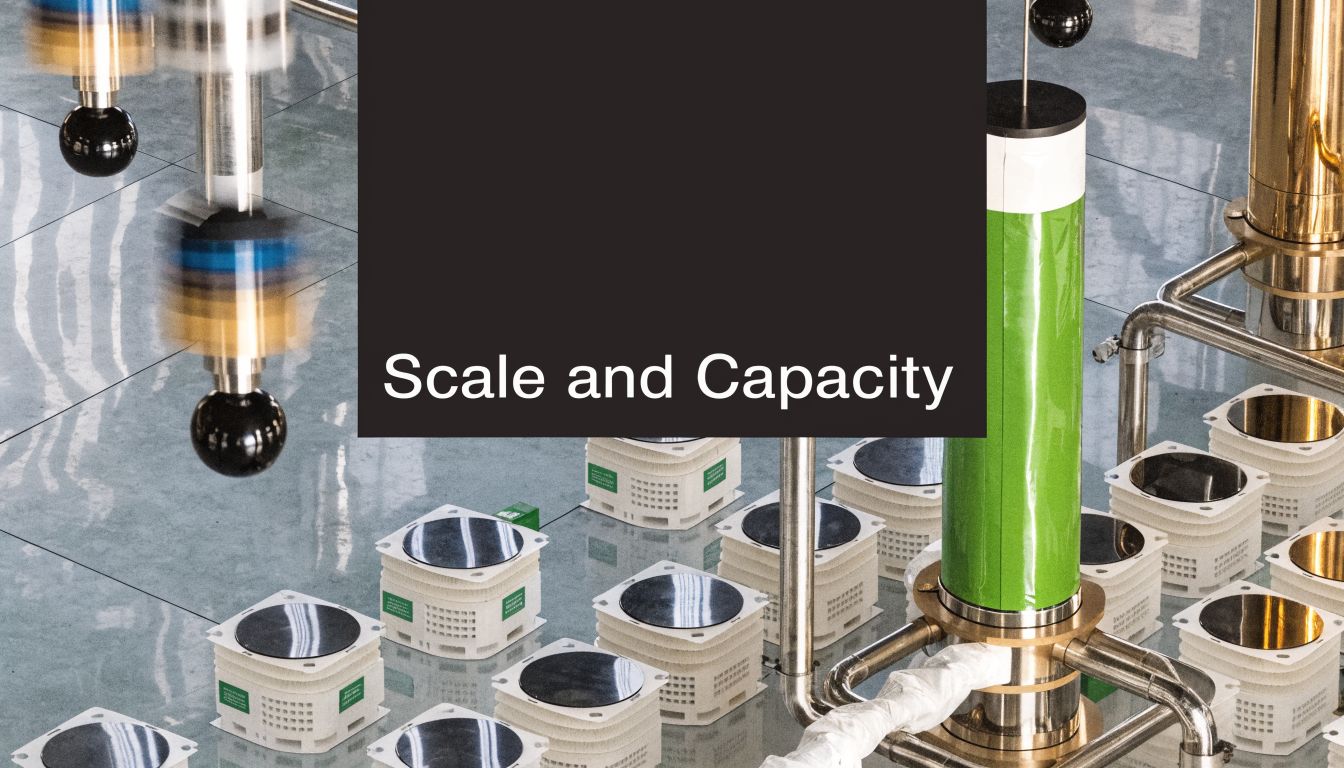
TeraFab’s proposed footprint, compute output, investment, power, water and manufacturing capacity explained.
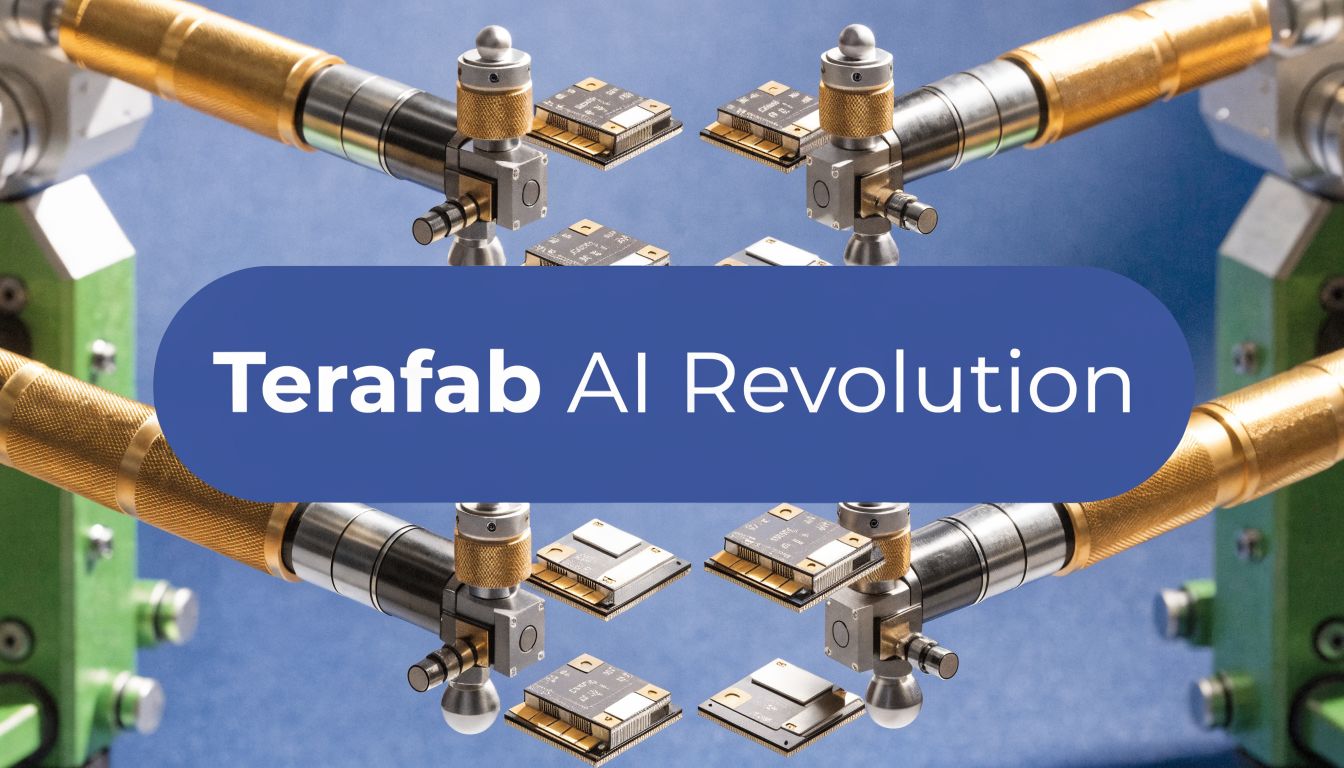
To get a handle on how Terafab might change artificial intelligence, don't think of it as a new AI brain. Instead, think of it as the invention that builds the
A factory aimed at delivering AI compute on the scale of a terawatt per year would not be a normal fab expansion. It would signal an attempt to reorganize how
A clear comparison of TeraFab, TSMC and Nvidia across manufacturing, chip design, software, scale and business model.
Terafab vs nvidia chips difference starts with control. NVIDIA built its AI lead through a fabless model that concentrates capital on chip design, software, and distribution, while outsourcing manufacturing to
In the world of tech, some projects are ambitious, and others are so massive they feel like science fiction. Terafab falls squarely into the second category. It’s not just another
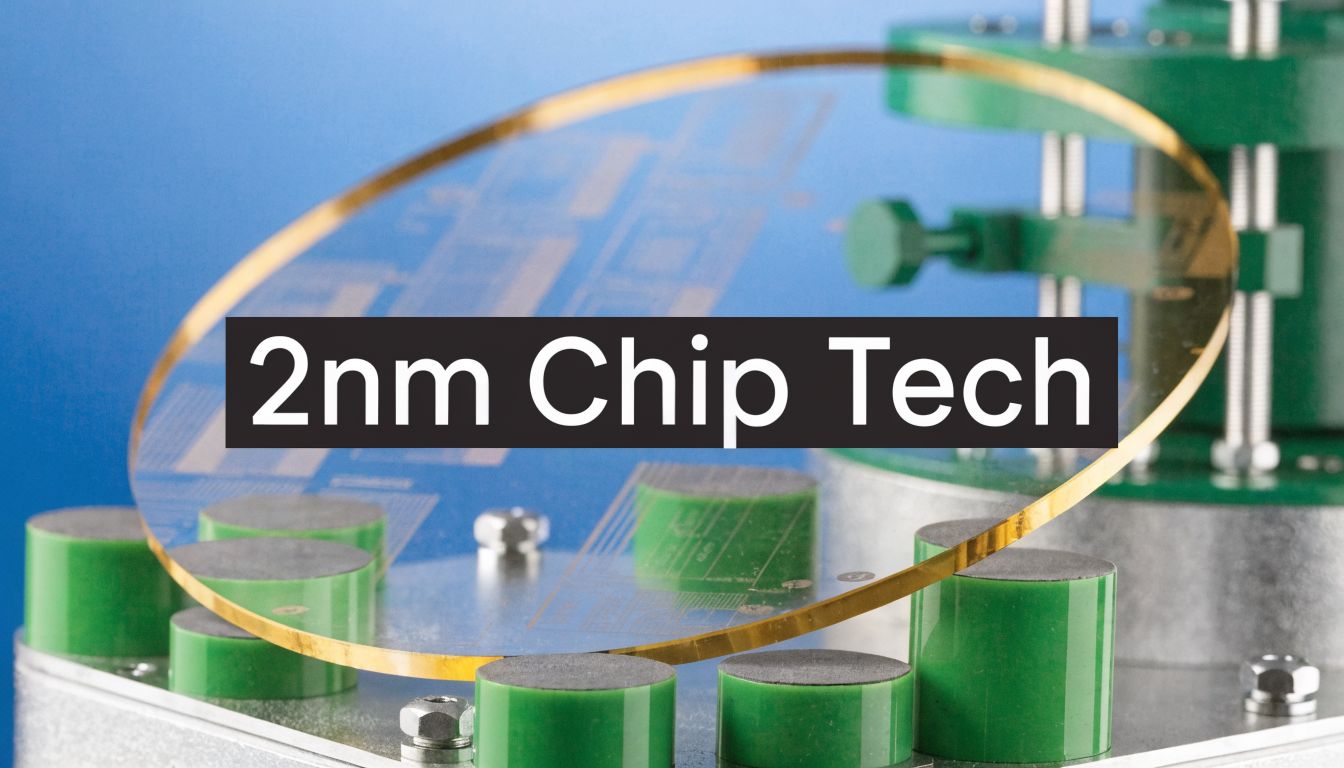
TeraFab is slated to produce two main categories of chips: advanced AI accelerators such as AI5, AI6, and AI7 for Tesla's self-driving cars and Optimus robots, and radiation-hardened D3 chips
A factory that aims to produce more AI compute capacity in a year than the current global AI chip industry output doesn't fit the usual mental model of a semiconductor

The most revealing number in the Terafab story isn't the factory size or the process node. It's this: the global semiconductor industry currently produces 20 gigawatts of computing capacity annually,