
Holistic Wellness Trends for 2026: What Actually Helps
Updated September 2026. “Holistic wellness” should mean considering physical, mental and social health together. It should not mean replacing evidence-based care with unproven products.
Foundations with the strongest support
- Regular physical activity appropriate to ability
- A nutritious eating pattern rather than extreme restriction
- A consistent sleep schedule
- Social connection and meaningful activity
- Avoiding tobacco and limiting or avoiding alcohol
- Preventive care and treatment when needed
2026 trends worth evaluating
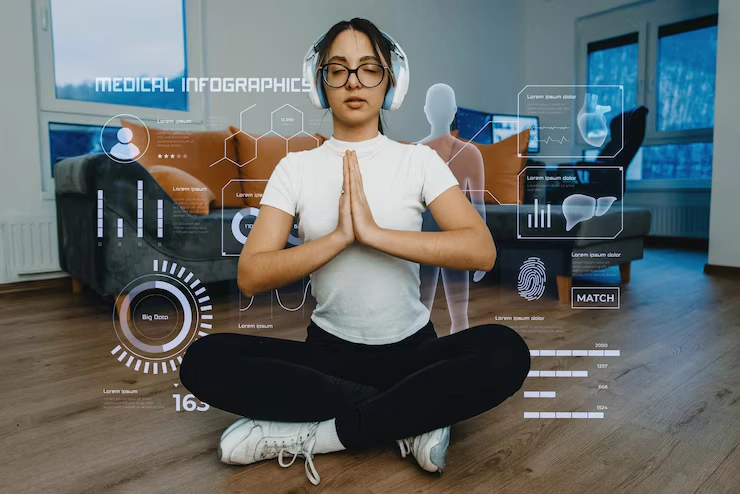
Wearables: useful for patterns and motivation, but consumer readings are not always diagnoses. Breathwork and mindfulness: may reduce stress for some people, though they are not cures. Cold exposure and recovery products: benefits are often narrower than marketing claims. Continuous tracking: more data can help, but it can also create anxiety and false alarms.
Red flags
- Promises to “detox” unspecified toxins
- One supplement claimed to treat many unrelated conditions
- Advice to stop prescribed medication
- Testimonials used instead of evidence
- Secret ingredients, urgent sales or subscription traps
A practical wellness audit
Choose one measurable problem, such as sleep duration or weekly activity. Try one low-risk change for several weeks and track whether it improves function. Discuss symptoms, medications and supplements with a qualified professional, especially if pregnant or managing a health condition.
Bottom line
The best wellness plan is usually less glamorous than the trends: movement, sleep, nutritious food, relationships and appropriate healthcare. New tools should support those foundations rather than replace them.
Related EverydayNext guides
Build on these foundations with our guides to mental-health apps, mindfulness tools for teens, and sustainable student routines.
Sources
Related Posts



Previous Post
Next Post









Pingback: Are Bananas Good For Weight Loss?
Pingback: Top 10 Mental Health Apps for 2026: A Practical Guide