The number that matters most in the Terafab story is not the announced launch budget. It is the gap between a first-site build and the industrial footprint implied by the
The number that matters most in the Terafab story is not the announced launch budget. It is the gap between a first-site build and the industrial footprint implied by the
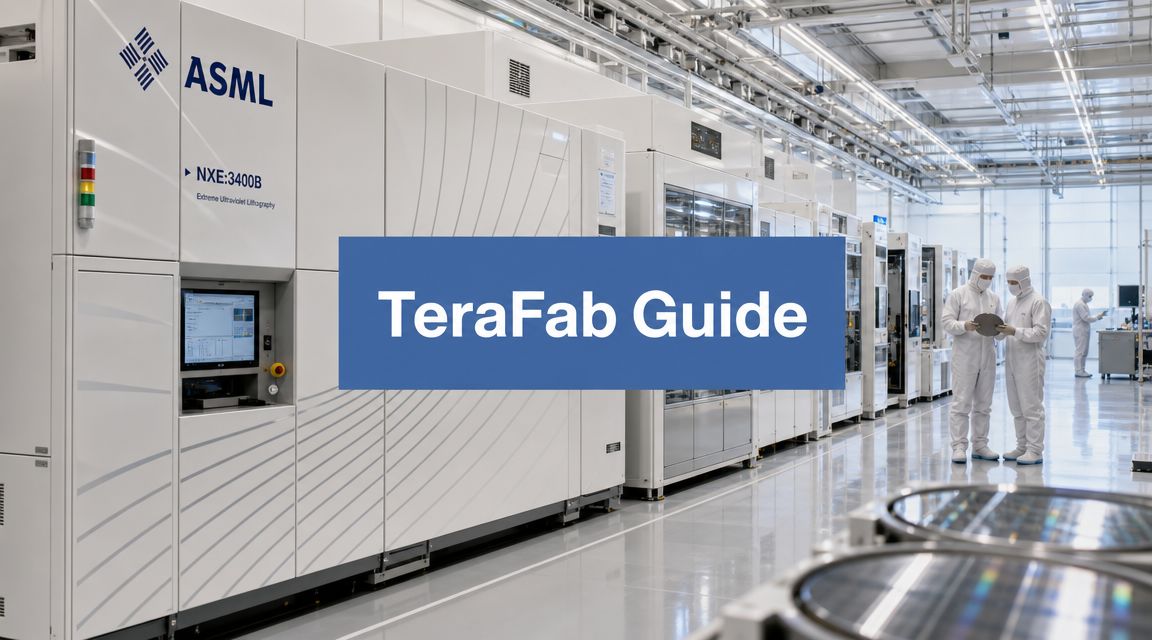
A carmaker wants smarter self-driving chips. A rocket company wants processors that can survive space. An AI lab wants more compute than the normal supply chain can reliably provide. TeraFab
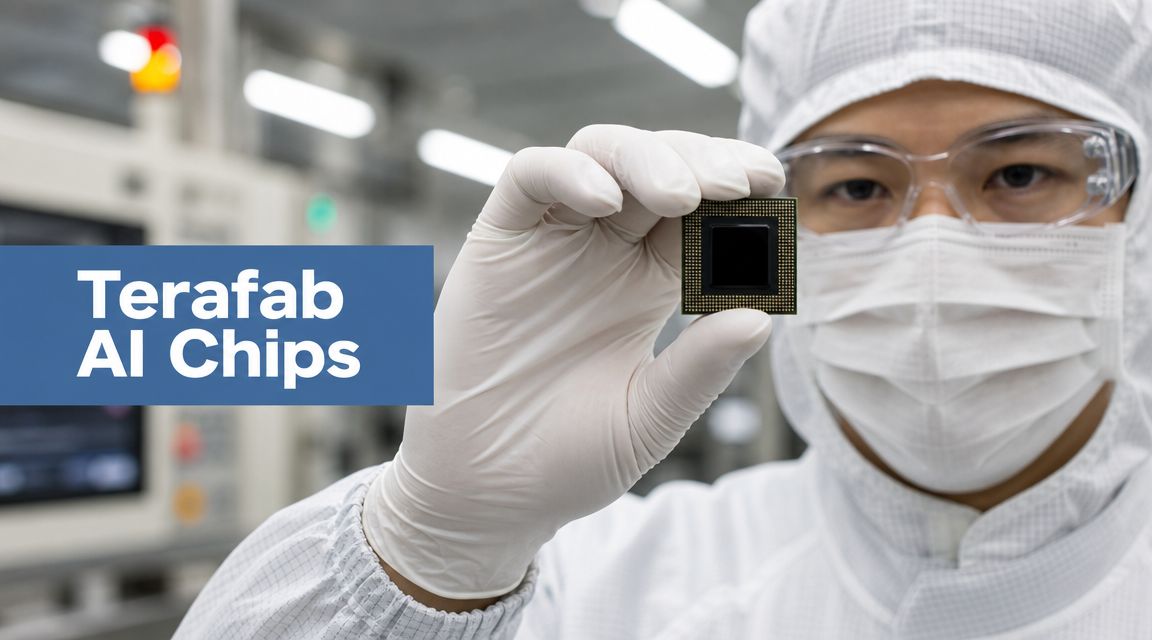
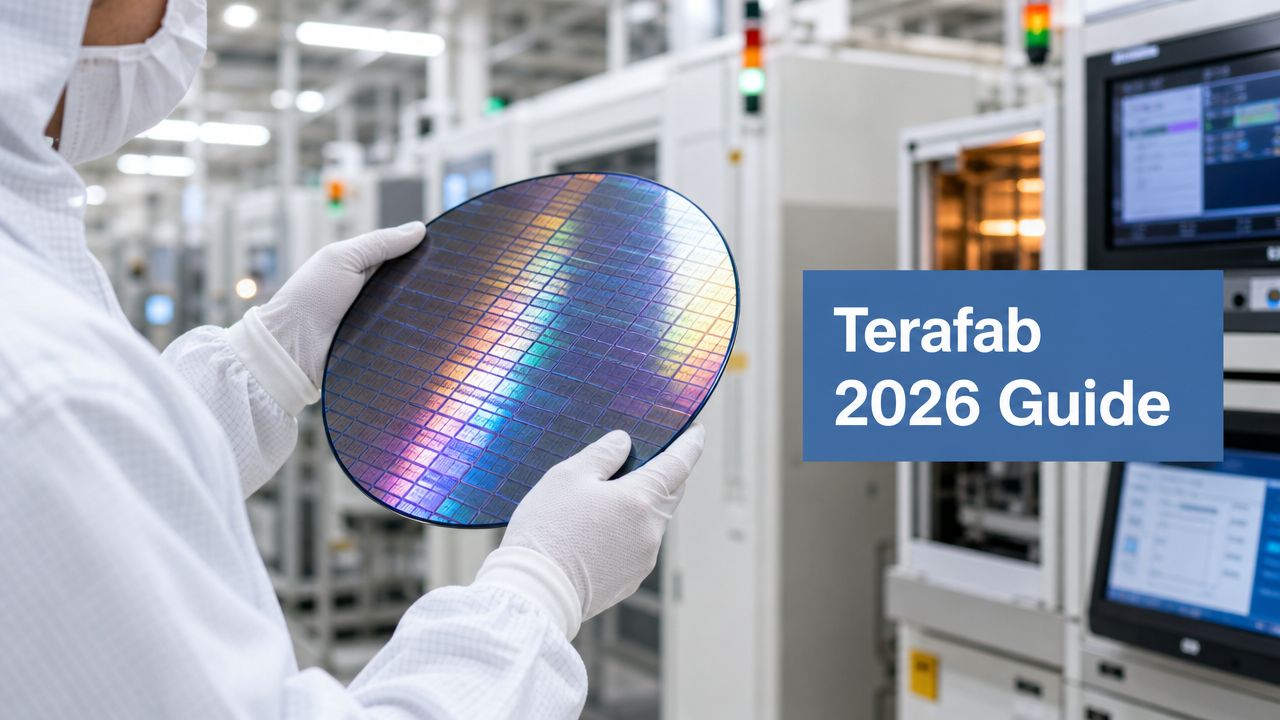
Terafab isn't just another company making AI chips. Think of it as something much bigger: a self-contained city built from the ground up for one purpose—cranking out the semiconductors that
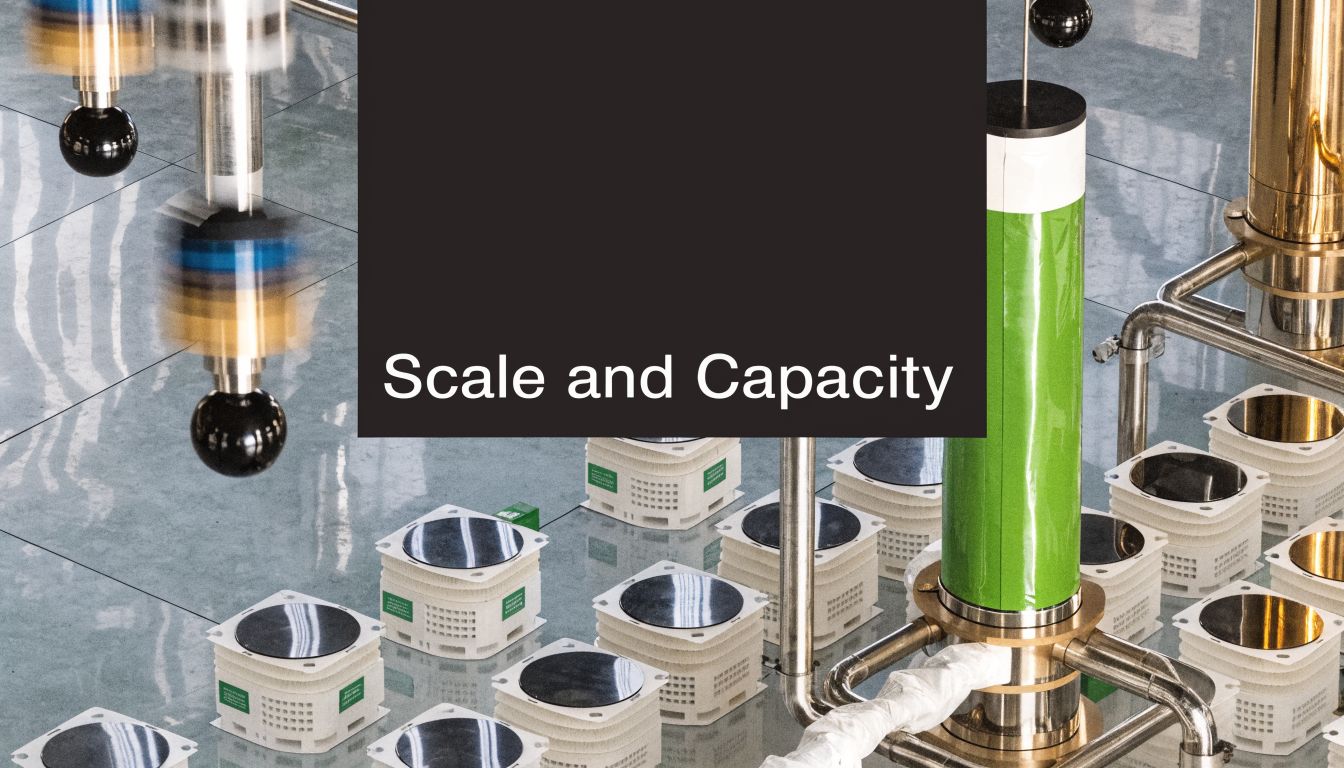
A semiconductor campus measured at roughly 100 million square feet and aimed at around 1 million wafer starts per month would sit outside the scale investors usually use for even
A factory aimed at delivering AI compute on the scale of a terawatt per year would not be a normal fab expansion. It would signal an attempt to reorganize how
Terafab is aiming at a scale that would force investors to stop thinking about chip fabs as incremental infrastructure. Its target is 1 million wafers per month by 2030, versus
TeraFab is slated to produce two main categories of chips: advanced AI accelerators such as AI5, AI6, and AI7 for Tesla's self-driving cars and Optimus robots, and radiation-hardened D3 chips